

Kelil Beshah did not set out to transform his farm. He planted avocado trees because they seemed like a good bet.
A few years on, those trees are beginning to reshape how he earns a living. In Ethiopia’s Oromia region, in Gechi district, the farmer has planted 40 avocado trees. Last year, he sold 300 kilograms to exporters at 55 Ethiopian birr per kilo. Avocado, a source of key nutrients, including healthy fats and fibre, has also become part of his family’s diet.
What changed was not only the crop, but how it was grown. Two years ago, Kelil received 24 of his 40 trees from a rural resource center (RRC) supported by the Center for International Forestry Research and World Agroforestry (CIFOR-ICRAF) in Gechi district, with funding from the David and Lucile Packard Foundation.
The RRC operates within a government nursery, where young men and women from the surrounding community receive training and raise grafted avocado seedlings. These seedlings are sold, creating green jobs and income opportunities for those involved.
The grafted trees Kelil received bear fruit within three years, while non-grafted ones take at least seven years to give their first fruit. He hopes to harvest fruits from the trees he obtained from the RRC next year.
“I will soon get 2,000 kilograms of avocado annually from these 24 trees alone. Even here in my neighborhood a kilo is sold for 40 birr,” he said.
It seems Kelil needs more market for his avocados in the future.
Linking practice to policy
A renewed policy framework based on ecological principles can better guide government stakeholders and partners in supporting farmers like Kelil to maximize the benefits from their farms. By engaging in agroforestry and agroecological practices, farmers can generate income and food while improving local microclimates and conserving soil and water.
Officially launched on 14 March 2026, the National Agroecology Strategy Food System Transformation in Ethiopia (2026-2040) and the Ethiopian National Agroforestry Development Strategy (2026-2035) respond directly to those needs by promoting nature-based agricultural solutions that improve productivity while protecting natural resources.
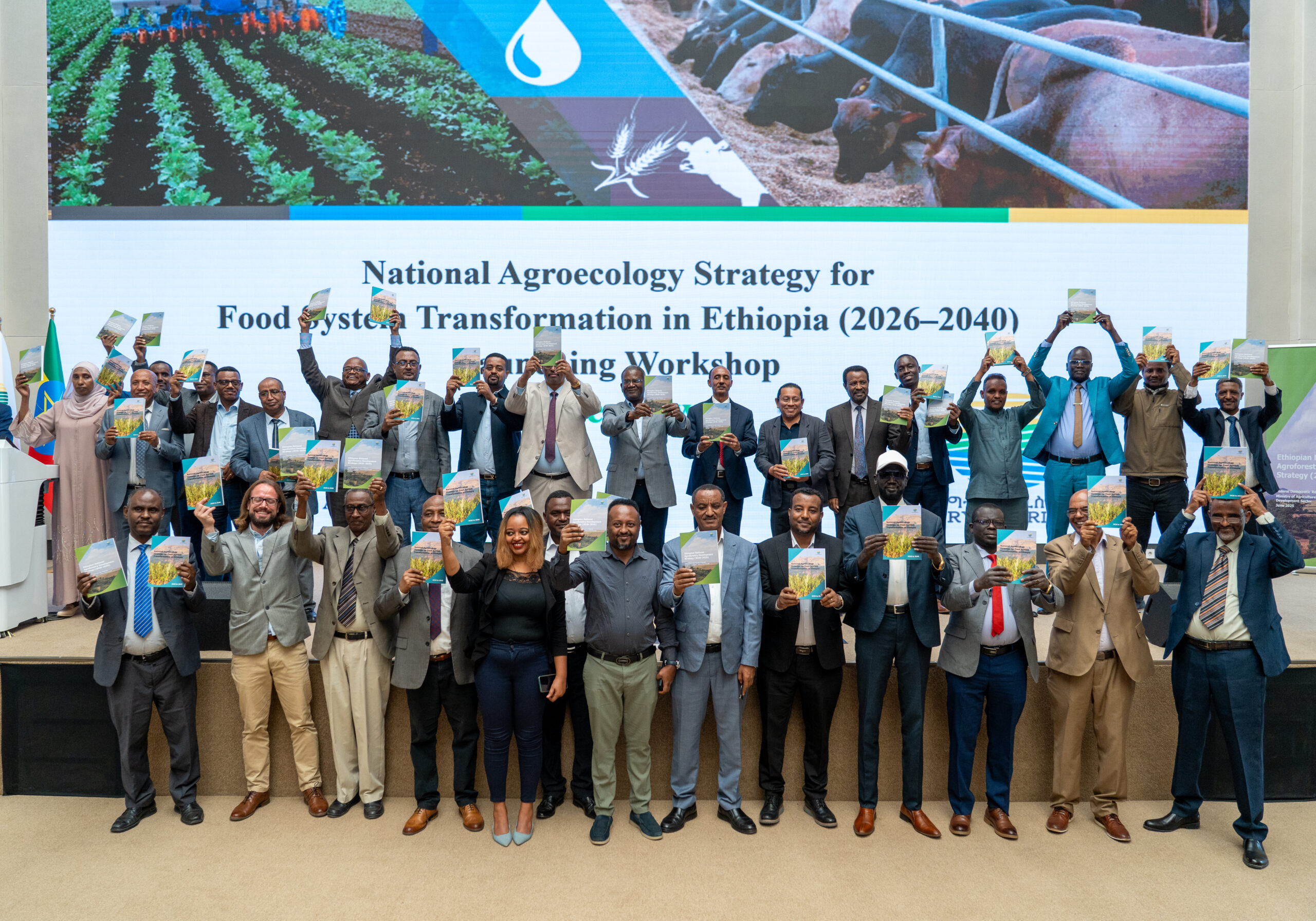
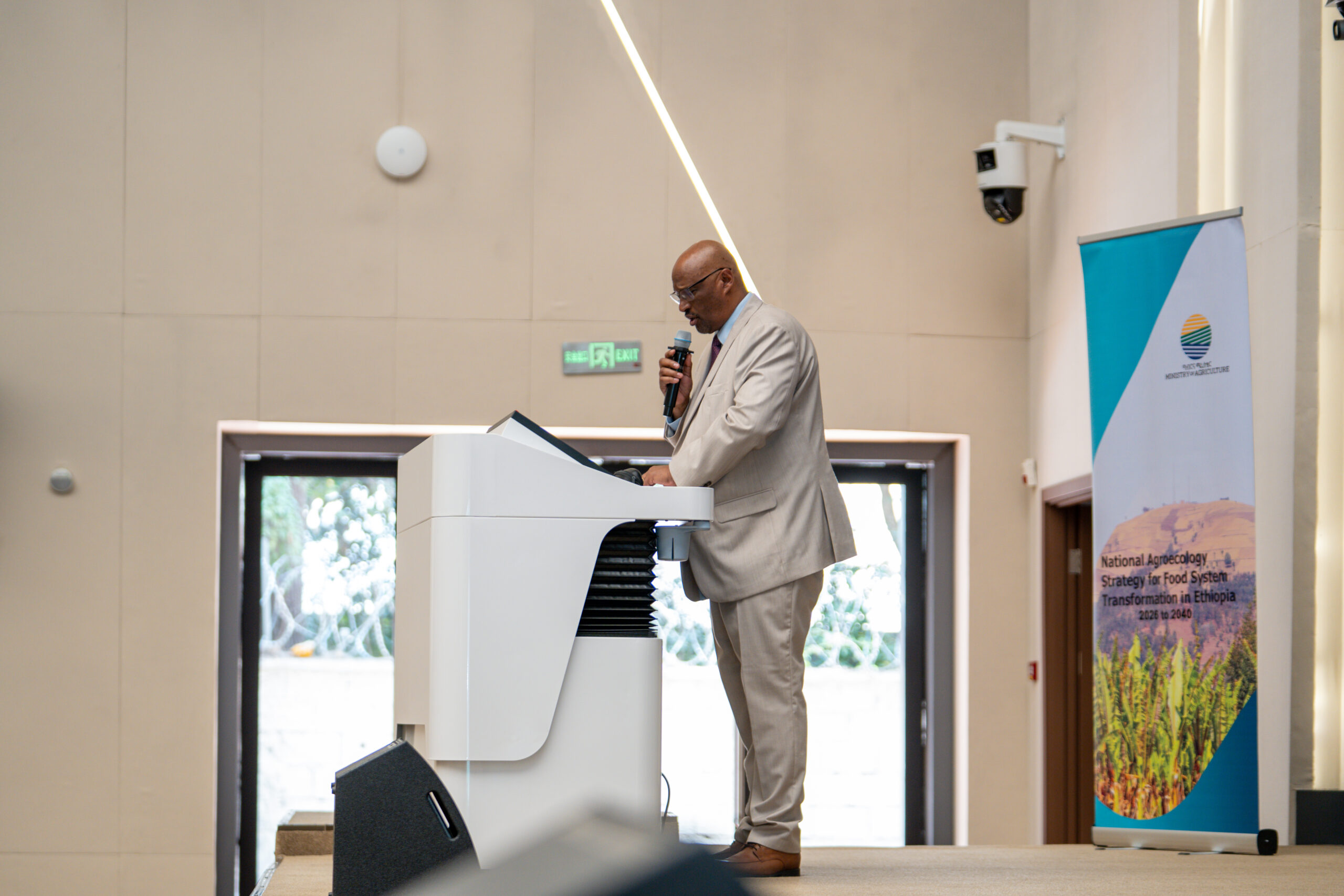
At the launch event, held at the Ministry of Agriculture (MoA) in Addis Ababa, State Minister for Natural Resources Development Prof Eyasu Elias emphasized the government’s commitment to implementation.
“The MoA is fully committed to working with all partners to ensure that these strategies are translated into practical actions on the ground and scaled across the country.”
He expressed his gratitude to all partners who supported the development of the strategies, particularly CIFOR-ICRAF for its contribution to both, and the Alliance for Biodiversity and CIAT for its role in the preparation of the agroecology strategy.
Dr Endalkachew Wolde-Meskel, senior research in development advisor at CIFOR-ICRAF, highlighted the importance of the two strategies. Ethiopia faces increasing climate variability and shock, severe land degradation and declining soil fertility, much of it linked to unsustainable agricultural practices. He called on all stakeholders to align their programmes and investments with the strategies.
Dr Matthias Geck, CIFOR-ICRAF’s agroecological systems scientist and coordinator of the Agroecology Transformative Partnership Platform (TPP), described the two strategies as sharing a common vision.
“Both agroecology and agroforestry strategies are two strategies that have one vision,” he said — ensuring that everybody has enough to eat, and that the food is healthy, safe and diverse. He also emphasized the need to empower farmers.
“Now there is a common policy framework, a coherent set of objectives, and activities. This is so important,” Geck said. “With the blessing of the government, all of us, whether it is development partners, international research centres, civil society organization or NGOs, now we have a mandate, we have a role to continue supporting Ethiopia towards resilience, sustainability and equity.”
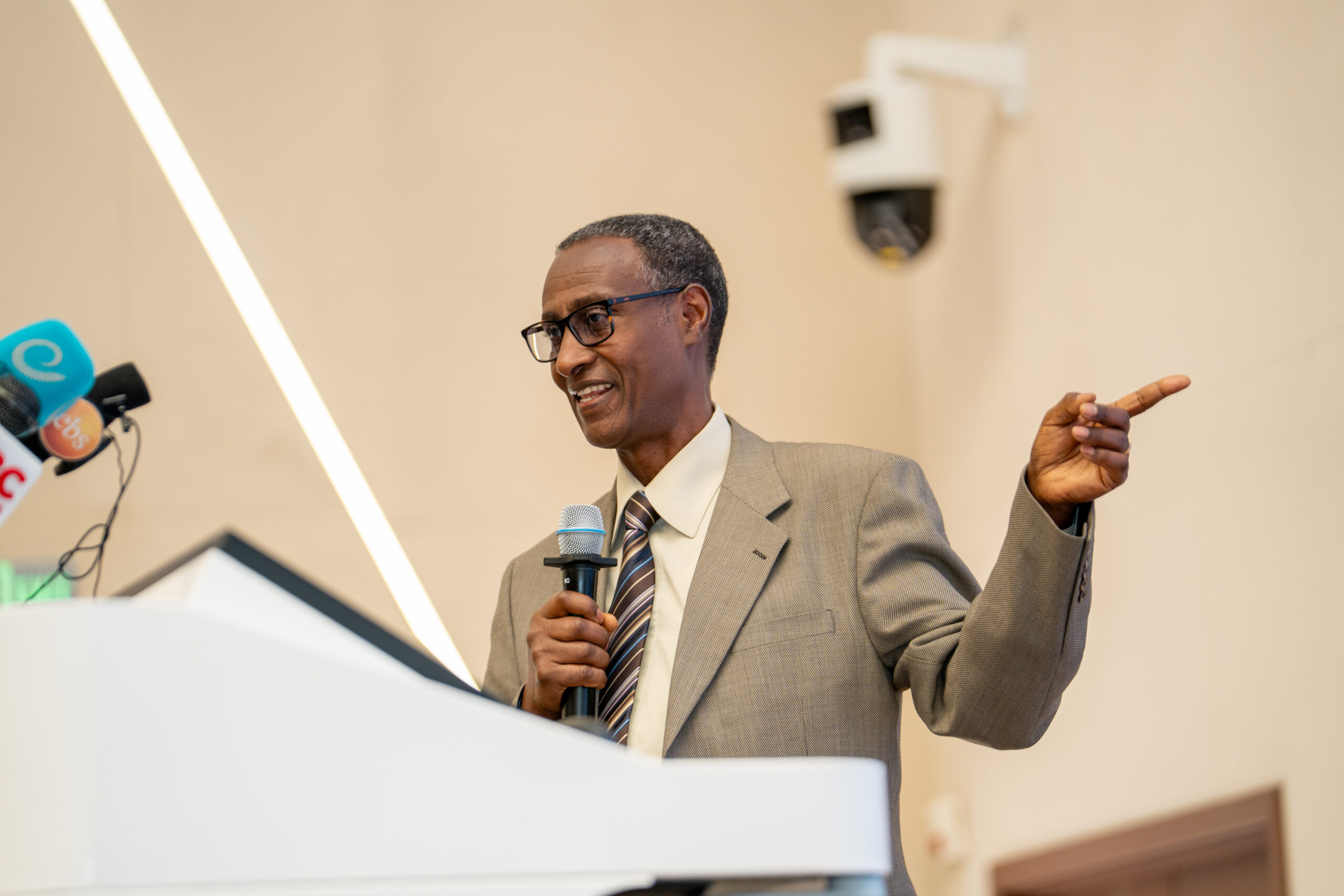
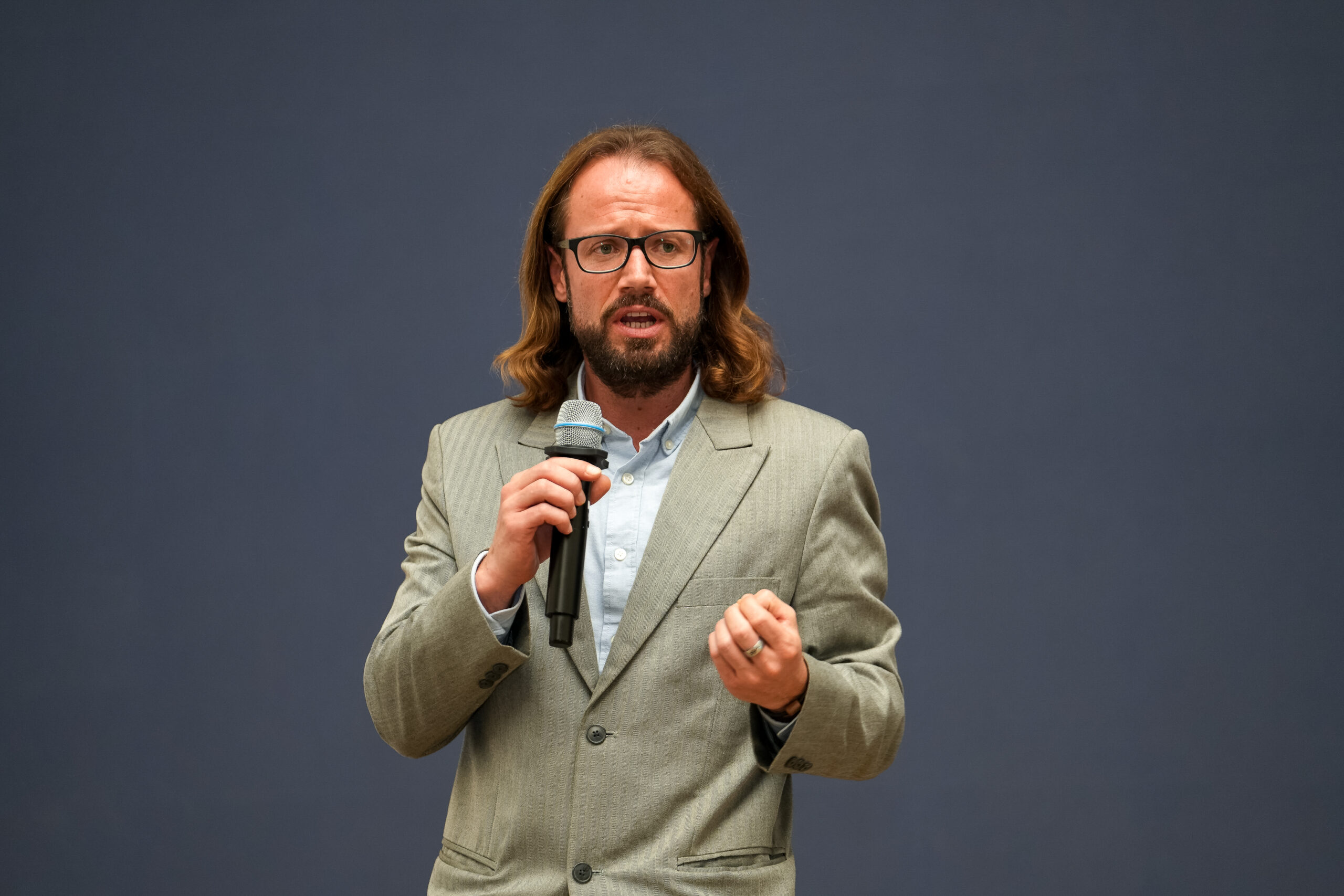
Photo by Simon Onyango / CIFOR-ICRAF
A test of delivery
In his concluding remark, Prof Eyasu reaffirmed the ministry’s role in coordinating implementation by bringing stakeholders together through a functional platform.
“The MoA reaffirms its commitment to coordinate the implementation of the two strategies by bringing all relevant stakeholders into a functional platform in which many of you will play a critical role,” Prof Eyasu said.
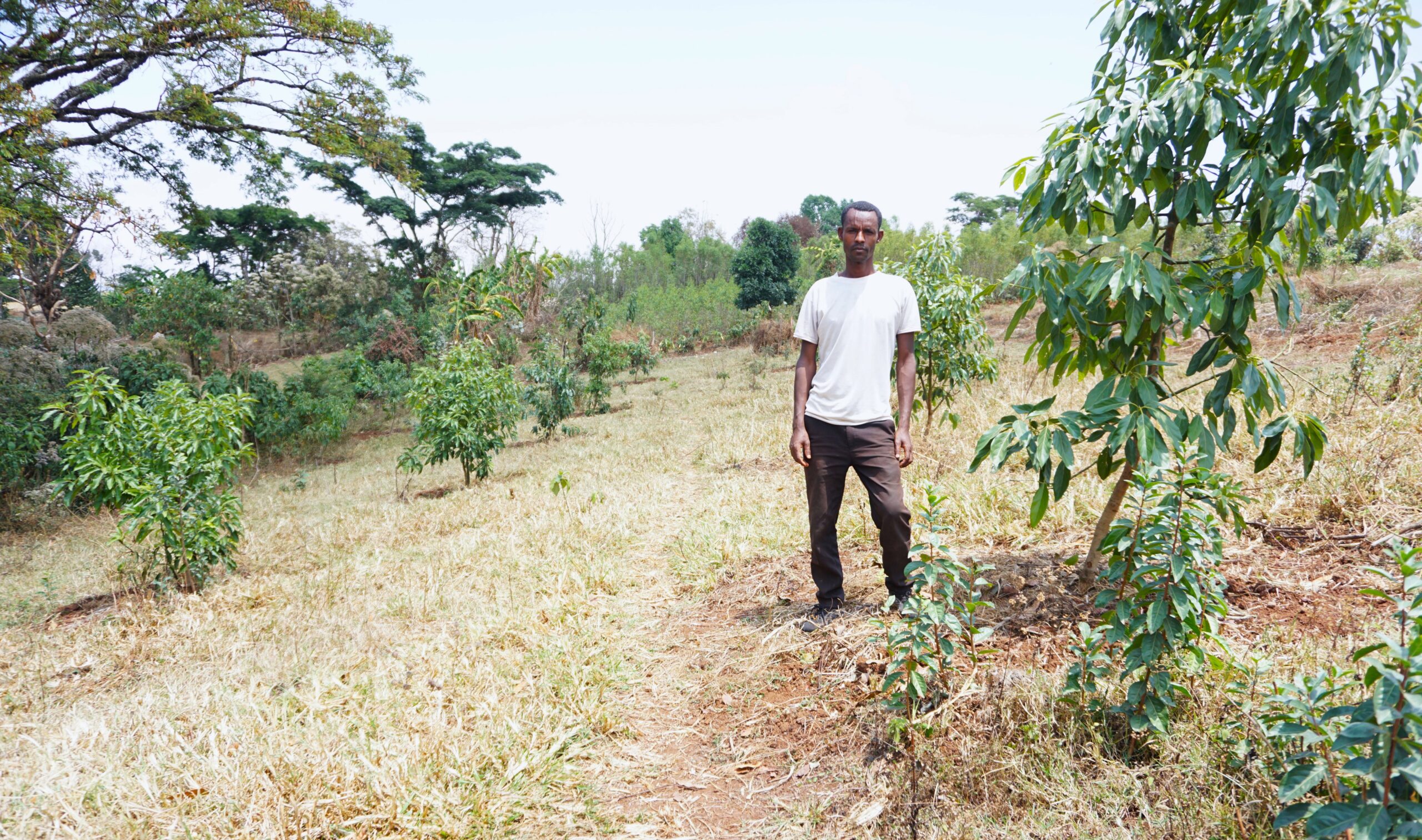
For farmers like Kelil Beshah, however, the success of these strategies will depend on what happens beyond national policy.
Although he has benefited from project support, he still needs reliable market access and continued support to expand agroecological practices. Millions of smallholder farmers across Ethiopia face similar challenges.
For them, the promise of these strategies lies in how effectively they reach the village level — through practical support from government and partners, including research organizations such as CIFOR-ICRAF. Only then can they improve livelihoods while protecting the environment.