

Wildlife plays a vital role in Zambia’s ecosystems, food systems and rural livelihoods. But without strong, responsive laws, even the most valuable natural resources can be overused or mismanaged. As pressures on land, biodiversity and community livelihoods grow, strengthening wildlife governance has become an urgent national priority.
As these pressures mount, government agencies, researchers and partners are working together to ensure Zambia’s legal frameworks remain relevant, inclusive and effective.
On 26 March 2026, the Center for International Forestry Research and World Agroforestry (CIFOR-ICRAF) and the United Nations Food and Agriculture Organization (FAO), through the European Union-funded Sustainable Wildlife Management (SWM) Programme in Zambia, convened government representatives, technical experts and partners for a technical meeting focused on prioritising policies and relevant Legal Diagnostic Tools (LDTs) to update the Zambia SWM Programme Legal Hub.
Edward Chilufya, principal wildlife warden at the Department of National Parks and Wildlife (DNPW), under the Ministry of Tourism, opened the meeting.
“As government, our commitment is to ensure that the public engages in the wildlife sector in a way that sustainably promotes conservation and avoids mismanagement,” Chilufya said.
That public role sits at the heart of the Legal Hub, a platform that brings together laws, policies and analysis related to wildlife management. By making legal information accessible and easier to understand, the Legal Hub supports communities and other actors take part in decisions over natural resources.
The LDTs are part of that work. They are analytical tools used to review and assess how legislation and policies with international and regional instruments, and how they are implemented in practice. They help identify gaps, strengths and options for improving the governance of wildlife and natural resources.
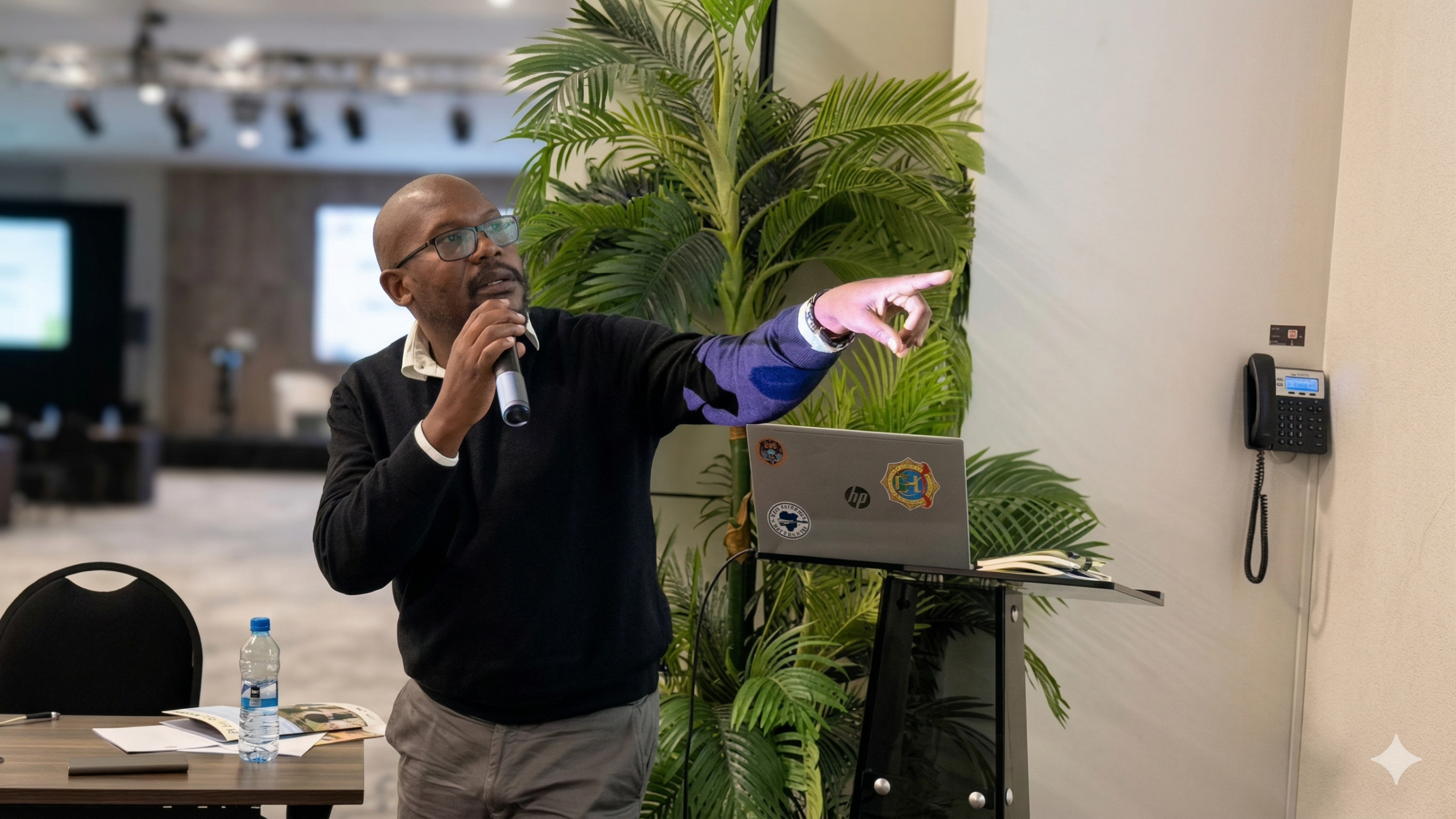
The meeting focused on identifying areas and opportunities for Zambia to strengthen legal and policy frameworks to support sustainable wildlife management, community governance and improved natural resource management systems, including ongoing legal reform efforts. Through the prioritisation and application of key LDTs, stakeholders worked collaboratively to identify gaps, brainstorm solutions and enhance the effectiveness of existing legislation.
“Strengthening legal and policy frameworks is critical to ensuring that conservation efforts are effective, inclusive and responsive to community needs,” emphasized Griffin Shanungu, SWM Programme site coordinator.
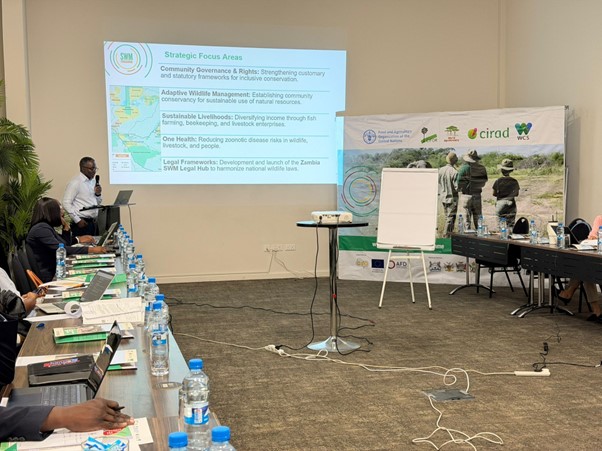
In Zambia, the SWM Programme has been working in the Mize-Lukuni Community Conservancy (CC), formerly called Mize, to promote a model centred on local wildlife production for health and income security. The programme supports links policy, science and community action, addressing conservation and food security challenges across forests, wetlands and savannah ecosystems.
It also promotes the sustainable and legal use of resilient animal populations while diversifying protein sources for rural and urban populations.
A key component of this work is strengthening policy and legal frameworks through the Legal Hub.
National Legal Consultant Morgan Katati outlined the current LDTs and their main findings:
- Annex 1 maps national legal instruments applicable to sustainable wildlife management.
- Annex 2a analyses the domestic implementation of international conventions ratified by Zambia.
- Annex 2b assesses the strengths and weaknesses in the national legal framework.
- Annex 3 examines customary law and norms.
- Annex 4 analyses the implementation and enforcement of legislation.
Using these tools, the programme compiled and analysed key policy and legal texts related to natural resource management, including wildlife, land tenure, land use planning, food safety, animal production and health, environment, forestry and ecotourism. This analysis is available on the publicly accessible SWM Programme Legal Hub for Zambia, launched on 8 October 2025 by the Minister of Tourism, Rodney Sikumba, and Attorney General Mulilo Kabesha.
Based on this work, Katati highlighted the importance of clearly defining wildlife across different contexts.
“There is a need for a common understanding of what constitutes wildlife, whether in forest areas, non-forest areas or human settlements, to ensure compliance,” he said.
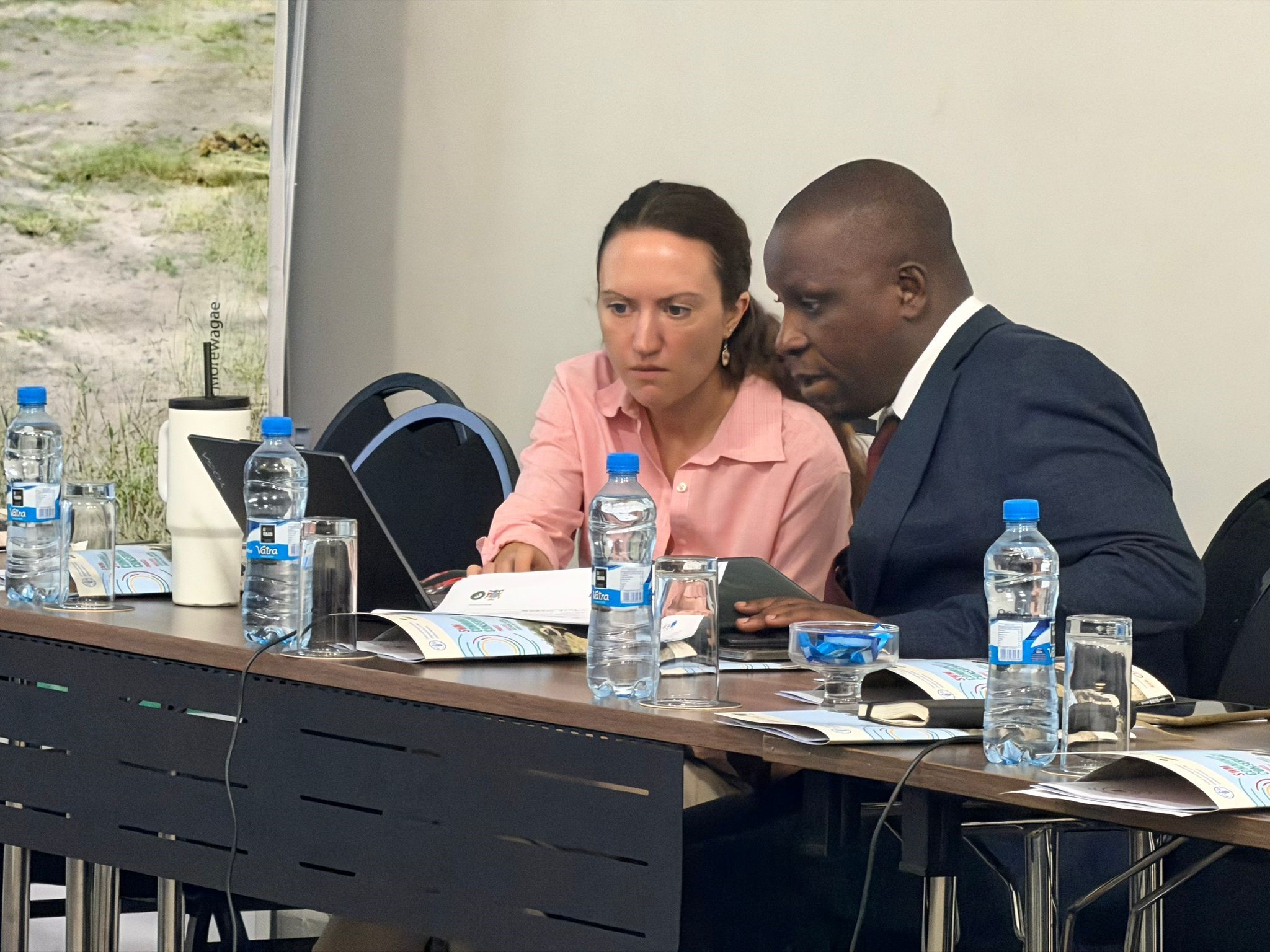
Building on this foundation, the SWM Legal Hub team has since developed 18 new LDTs, incorporating stakeholder feedback and lessons from programme implementation. These tools are being integrated into an updated Legal Hub, featuring a more streamlined format and an artificial intelligence component.
The next step is for government stakeholders to prioritize which of the new tools to apply based on national policy priorities.
Kelsey Galantich of the FAO facilitated an exercise to guide this prioritisation process. The process followed three steps:
- Step 1: Selection of “baseline” tools forming the foundation for analysis and enabling the One Health approach, including wildlife management, ecosystem and habitat management, animal health and tenure systems.
- Step 2: Identification of “value chains” and “sectoral” tools aligned with government priorities, including hunting, inland fisheries, wildlife tourism, aquaculture, food safety, timber forest products and terrestrial animal production, referred to as “connected” tools due to their cross-sector linkages.
- Step 3: Identification of additional “connected” tools to advance the government’s agenda, including animal feed, non-timber forest products, veterinary medicinal products, animal welfare, genetic resources, waste management and pesticides.
Discussions generated strong debate among participants from diverse sectors, particularly around the prioritization of non-timber forest products.
“Communities value forests highly, especially during lean periods when farming yields are low. They rely on forests for several non-timber forest products, including mushrooms, fruits, vegetables, honey and other resources,” said Maanda Siwale, senior forestry officer at the Ministry of Green Economy and Environment.
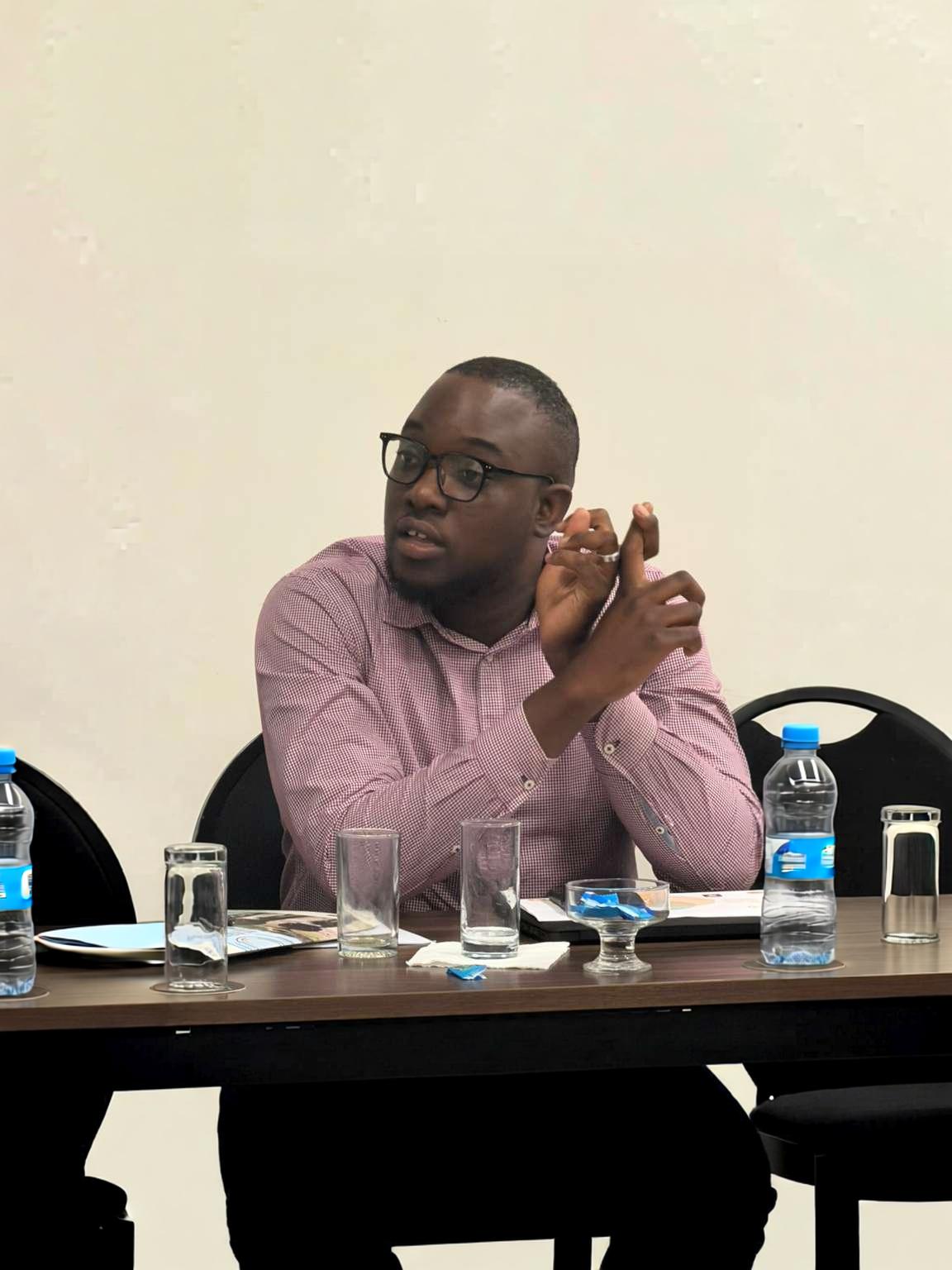
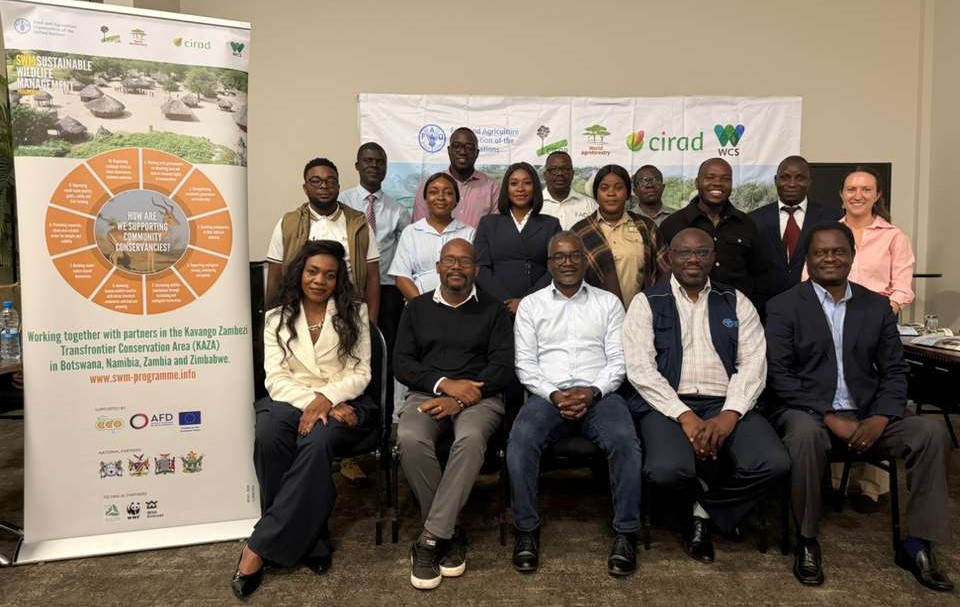
The meeting ended with 11 priority areas and LDTs shortlisted for further analysis. The work will help update the SWM Programme Zambia Legal Hub and support the government’s policy agenda on sustainable wildlife management, community governance and natural resource management.