

There is a moment before dawn in the dry montane forests of Lambayeque, in northern Peru, when the air is still cool enough to sting and the palo santo trees stand dark against the ridgeline. Ysabel Calderón knows that hour well. The native stingless bees she tends do not rush into the day. They emerge slowly, testing the air, moving towards the flowers of higuerón and hualtaco — trees that have anchored this landscape for centuries.
Those bees need the trees. The trees need the bees. And in that exchange is a practical answer to a question conservationists have wrestled with for decades: how do you make forests worth more alive than cleared?
This interdependence is under growing pressure. Nearly 35 percent of invertebrate pollinators, especially bees and butterflies, and 17 percent of vertebrate pollinators face extinction, according to reports from the Convention on Biological Diversity and the Food and Agriculture Organization of the United Nations. Intensive agriculture, pesticide use, invasive species and climate change are reducing pollinator populations, with consequences for food crops, forest regeneration and rural livelihoods. Around 75 percent of the world’s food crops depend, at least in part, on pollinators.
In Lambayeque, Calderón is working from that dependency in concrete terms: restore the trees that feed native bees, protect the bees that pollinate the forest and use honey to help pay for the work.
It also means changing what people think a bee is.
When Calderón asks that question, the answer is usually predictable: a black-and-yellow insect that flies, stings and makes honey. The image is familiar, but it leaves out most of the world’s bees.
There are about 20,000 known bee species. Many do not live in hives, produce commercial quantities of honey or look like the bees used in logos and children’s books. Calderón wants people to notice the rest.
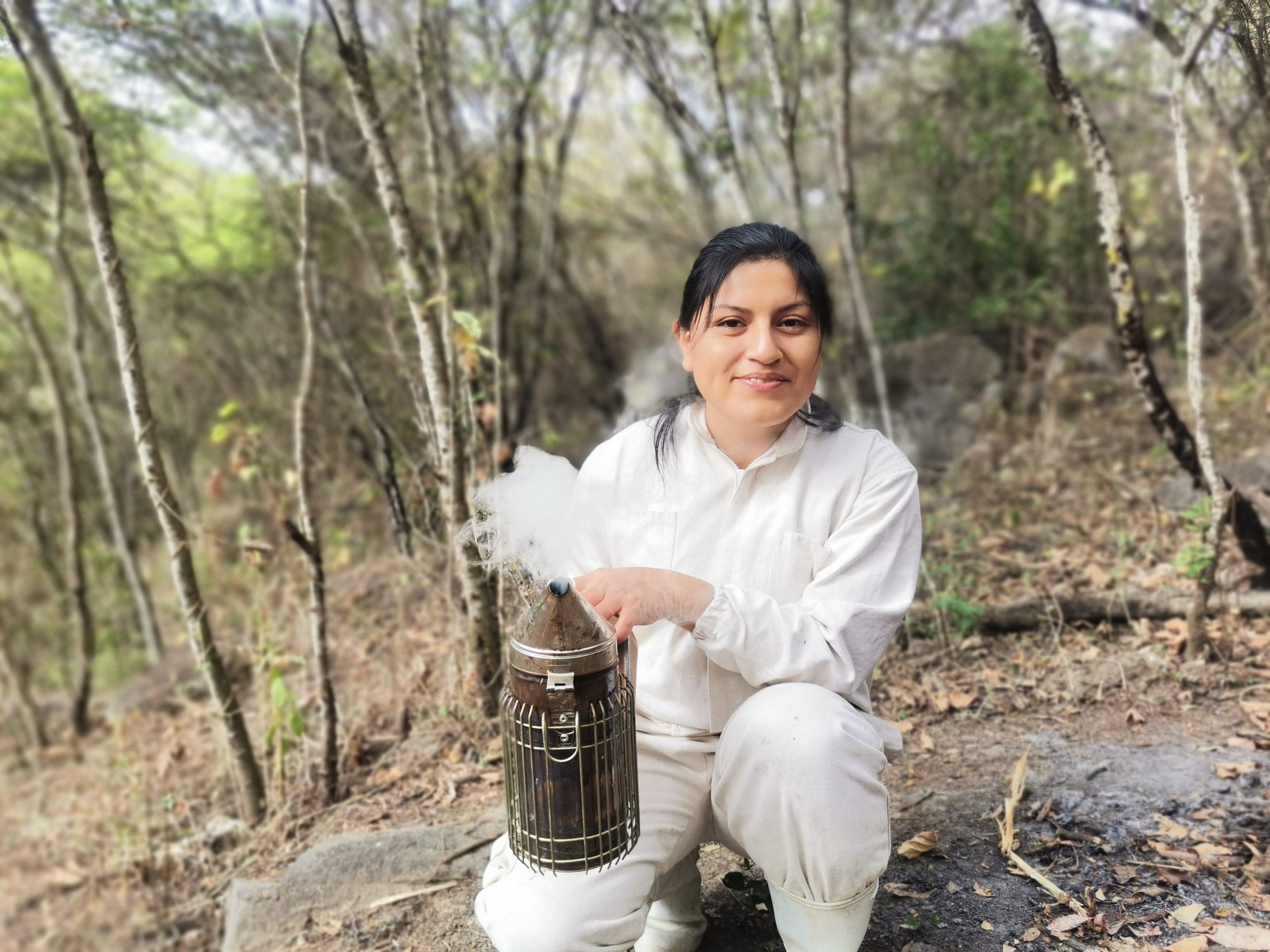
“Seventy-five percent of bee species are solitary — they do not live in groups and do not produce honey in large quantities,” she said. “Only five percent of bees are social, meaning they produce honey and live in colonies. But all bees are important. They each play a role within ecosystems and support forest conservation.”
In Lambayeque, native stingless bees rely on ‘palo santo’, ‘higuerón’ and ‘hualtaco’ to build their nests. As those forests have receded, bee populations have declined too. The losses don’t stop with the insects. Fewer bees means weaker pollination, less forest regeneration, thinner wild vegetation and more pressure on the food systems that depend on the same ecological ties.
In 2017, Calderón founded Sumak Kawsay, an enterprise whose name means ‘good living’ in Quechua. It produces medicinal honey from native stingless bees and uses part of that work to support reforestation in the surrounding mountains. The business depends on the same trees the bees do, which gives restoration a source of income and honey production a reason to protect habitat.
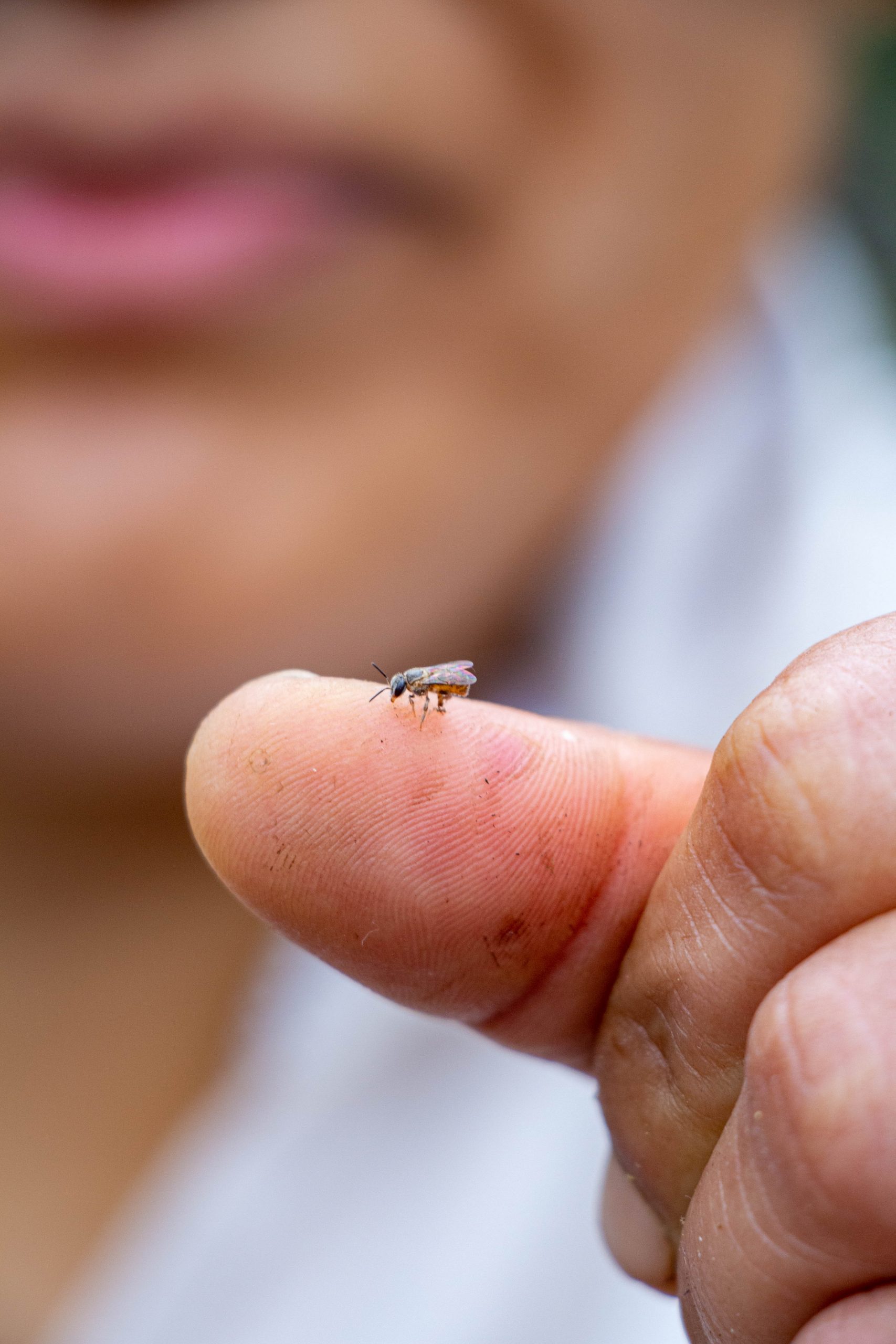
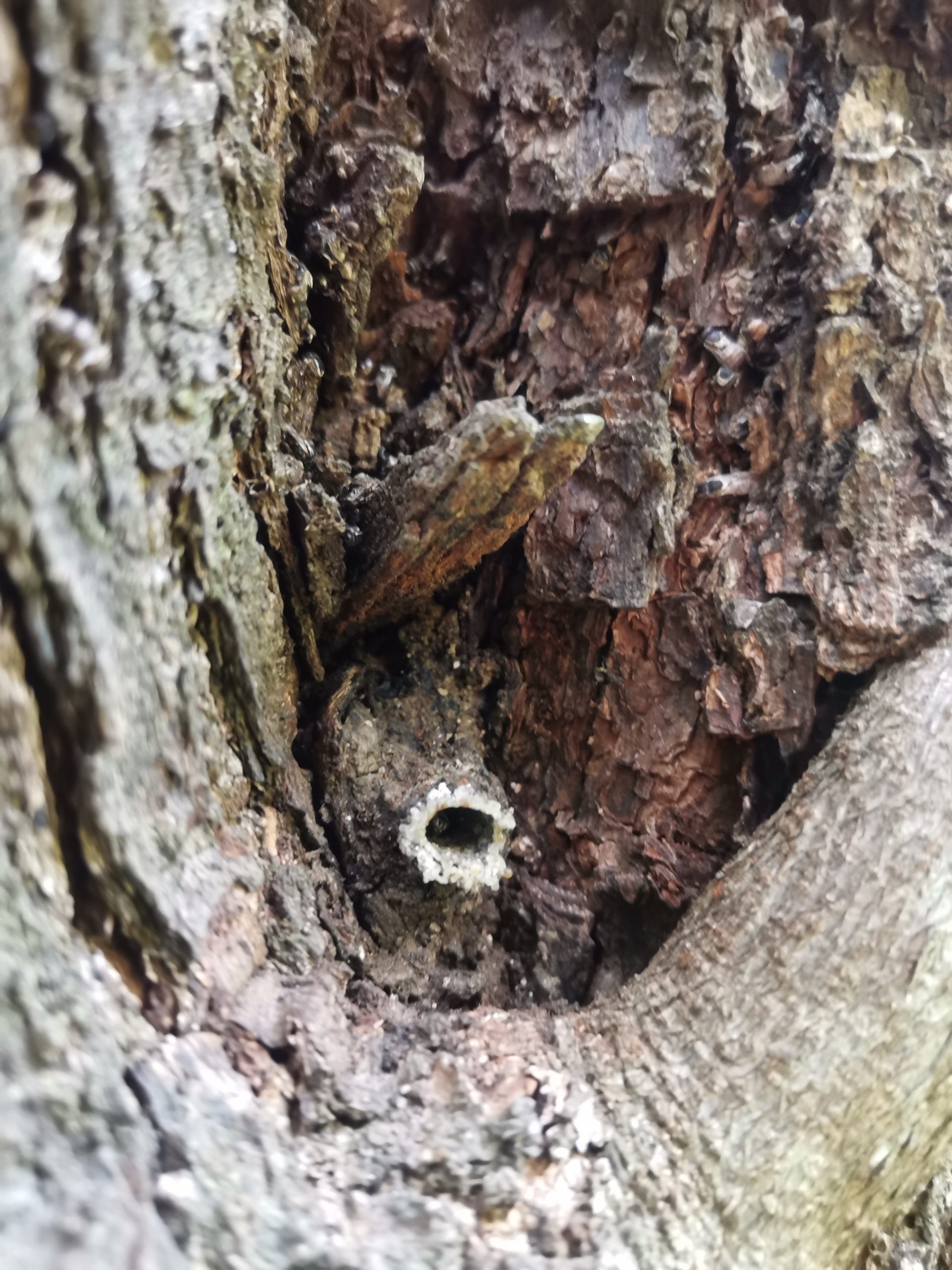
“We are studying three species of native stingless bees, which are managed very responsibly, protecting their habitat so they have enough food and can produce honey in healthy conditions – honey that we later commercialize,” she said.
Sumak Kawsay has also created “The Honey Route,” an ecotourism trail where visitors learn about pollinators, taste honey and see the forests where the enterprise is trying to bring native bees back. The route has created work for local women through tourism, honey and environmental education.
In 2023, Calderón was recognized as a Mountain Restoration Steward through the Restoration Stewards programme, led by the Youth in Landscapes Initiative and the Global Landscapes Forum.
“I owe so much to bees and plants,” she said.
The original Peru story: Recuperar los bosques para las abejas y viceversa
Peatlands, without fire
In Indonesia, bees are helping answer a different question: how can communities in fragile peatland areas earn a living without damaging what lies beneath them?
Indonesia’s peatlands are among the world’s most carbon-rich ecosystems. They are also highly vulnerable. When peat is drained or burned, damage spreads far beyond the field where a fire started, releasing smoke, destroying habitat and sending long-stored carbon into the atmosphere.
In Baru Village, Rambutan subdistrict, Banyuasin, the problem was the ground itself. The soil was acidic. Floods were unpredictable. Farming was a gamble, and livelihood options were limited.
In 2022, the Peat-IMPACTS project began testing stingless beekeeping with 20 nests. The proposition was simple: keep bees in homegardens, plant flowering species for nectar and build a small business around honey.
The approach was designed to fit the place. Stingless beekeeping can be done close to the home, including by women, and it does not require large plots of land. Farmers received training covering production through to marketing. The farmer group managed the bees, while the village enterprise, BUMDesa, helped with sales.
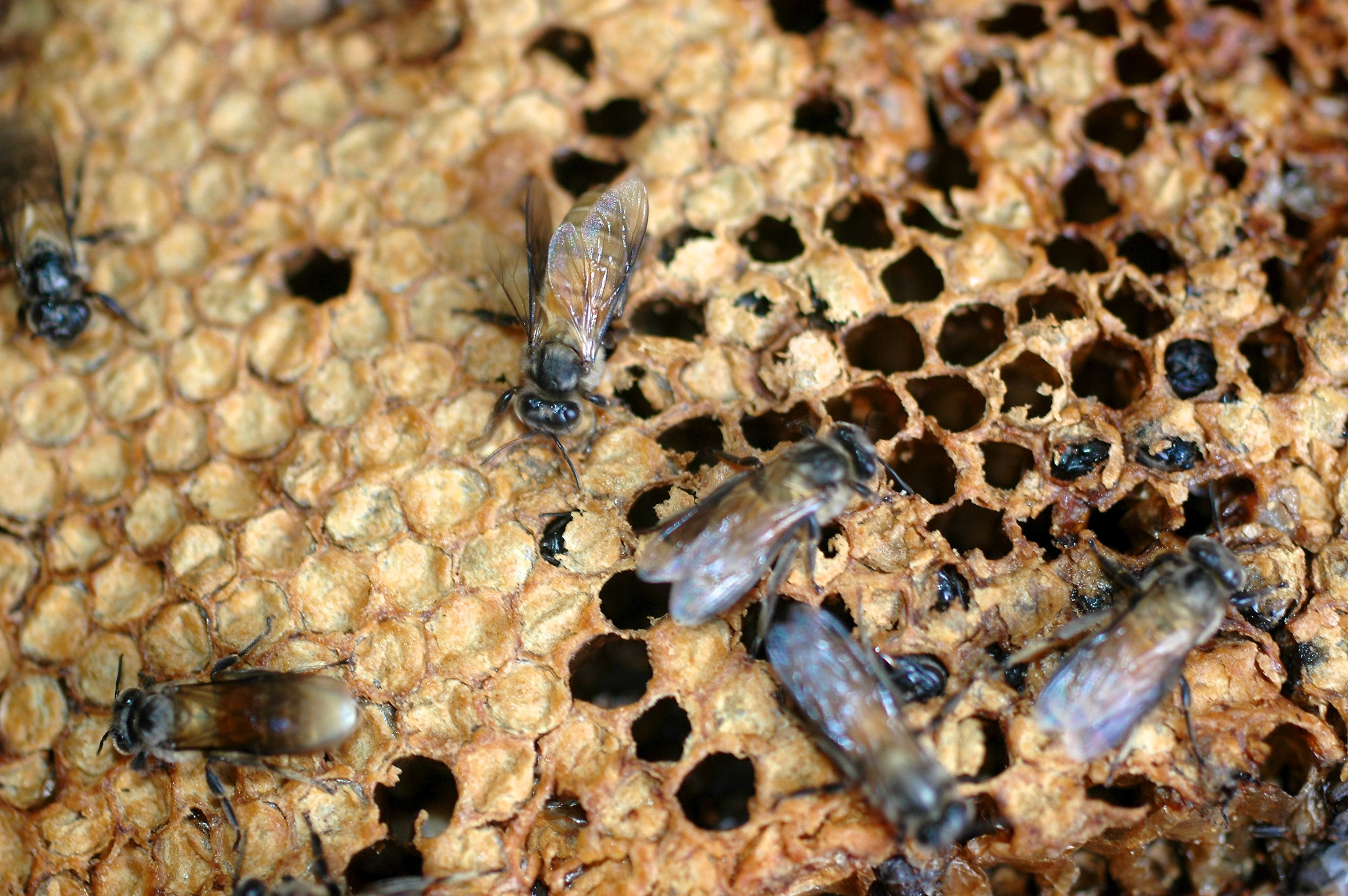
Photo by Jan van der Ploeg / CIFOR-ICRAF
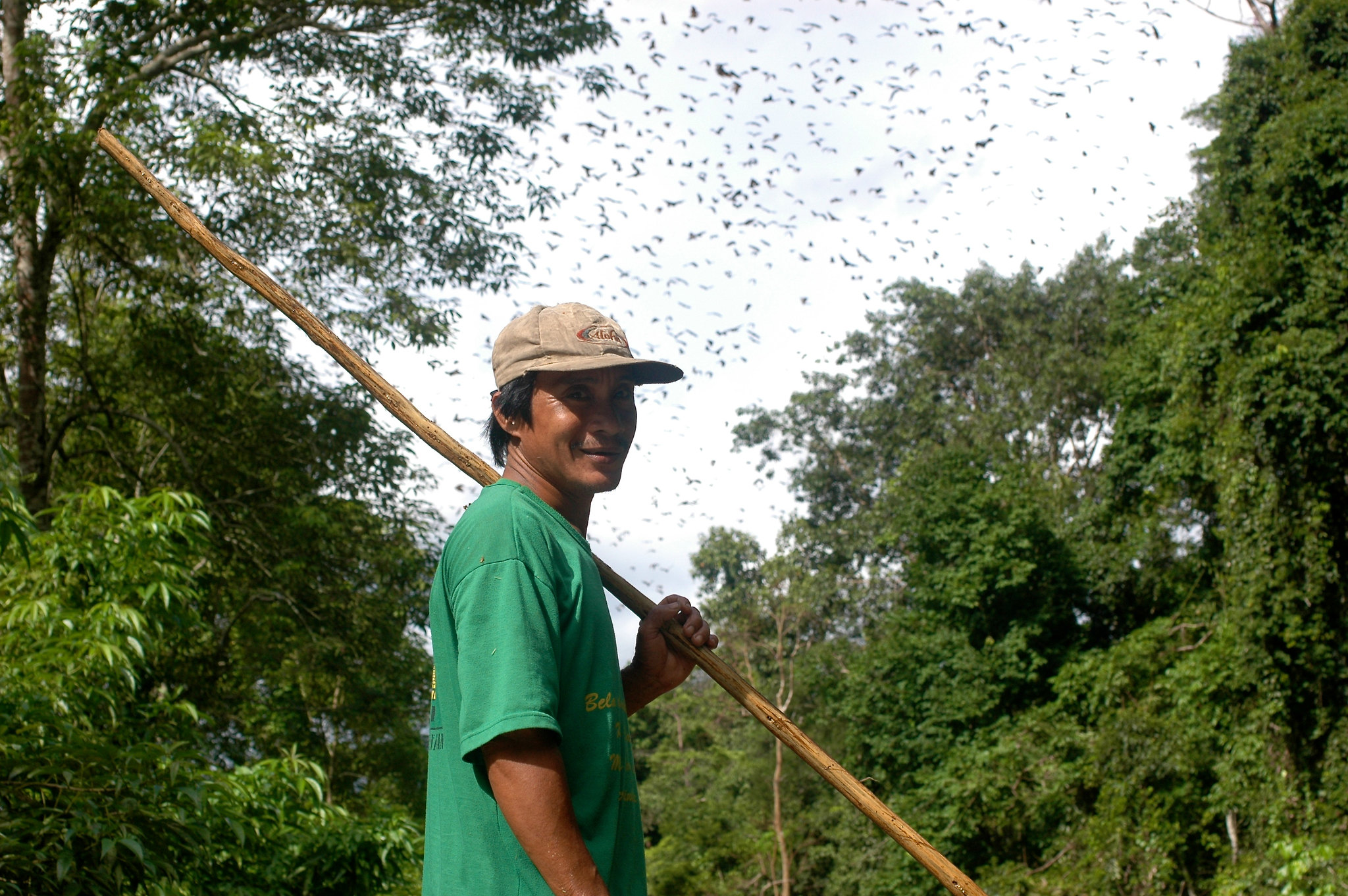
A year later, farmers in Baru Village were managing 126 nests.
The idea spread. Farmers from Sumber Makmur Village, in Muara Padang subdistrict, asked Baru farmers for training. Baru farmers sold them nests. Within six months, Sumber Makmur was harvesting honey and planning to market it jointly with Baru Village. The Indonesian Honeybees Association, known as APIDA, has committed to supporting capacity-building and marketing once honey quality meets the required standard.
The chain is simple: bees need flowers, flowers need trees and healthy trees need intact peat. That gives communities a financial, local reason to keep the ecosystem working.
The sacred harvest
On the island of Timor, honey harvesting begins long before anyone climbs a tree.
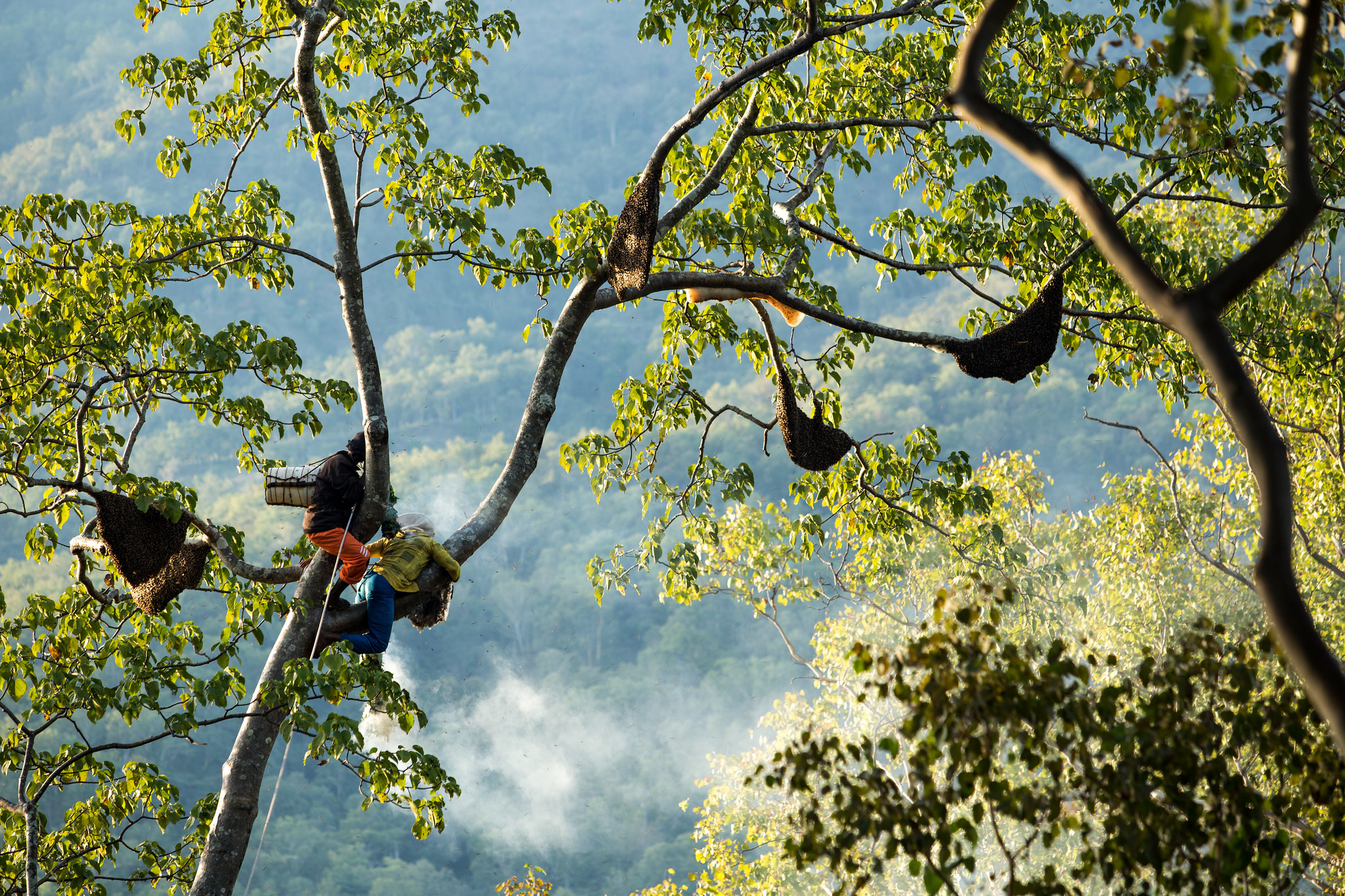
For the Olin-Fobia community in the Mount Mutis Nature Reserve, collecting wild honey from the giant honey bee, Apis dorsata, is a practice handed down across generations. The work takes place at night. Climbers ascend Eucalyptus alba trees that can reach up to 80 metres, guided by chants asking the bees’ permission to collect. A single tree can host more than 120 hives. Together, those harvests produce about 30 tonnes of honey a year, roughly a quarter of East Nusa Tenggara’s total honey production.
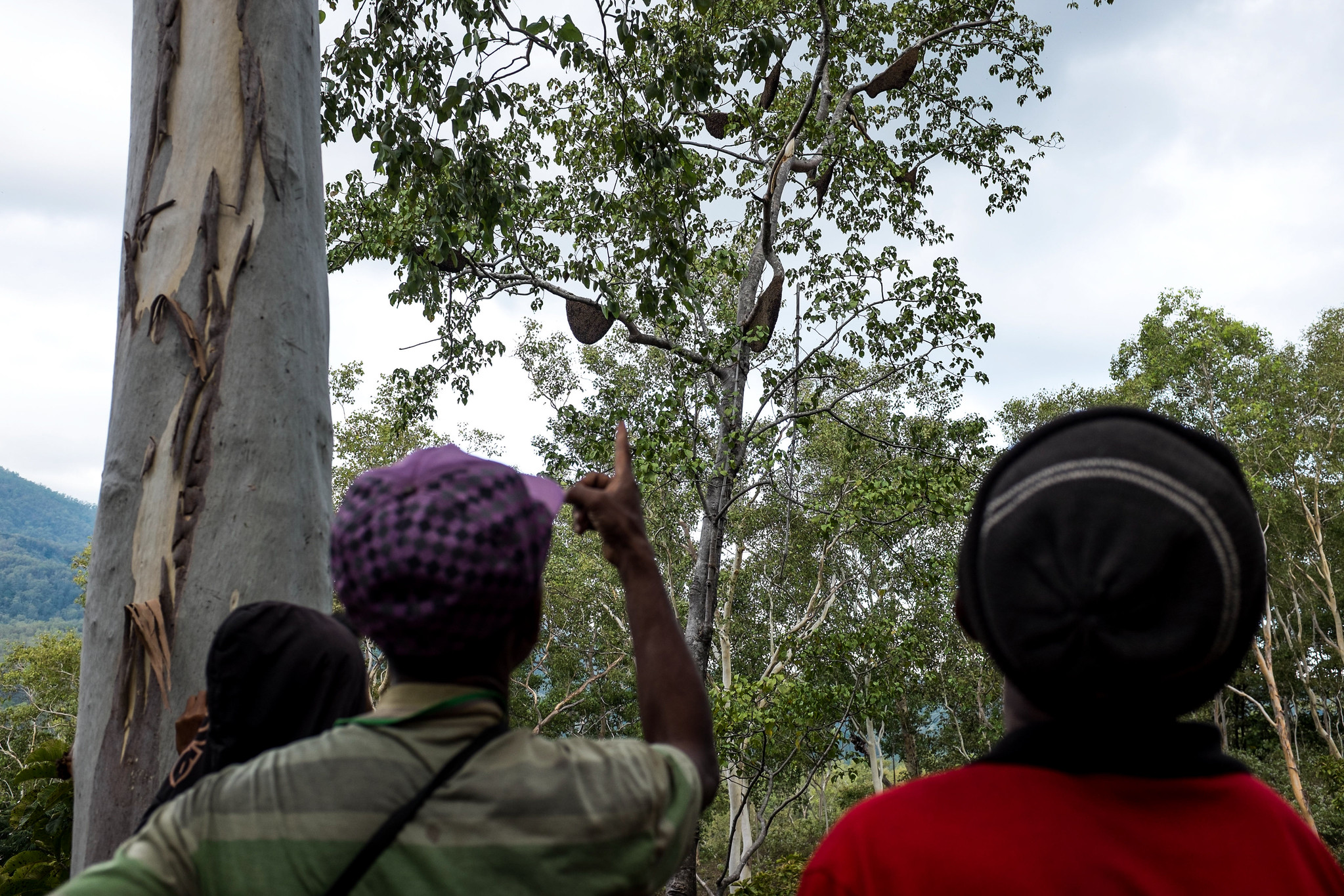
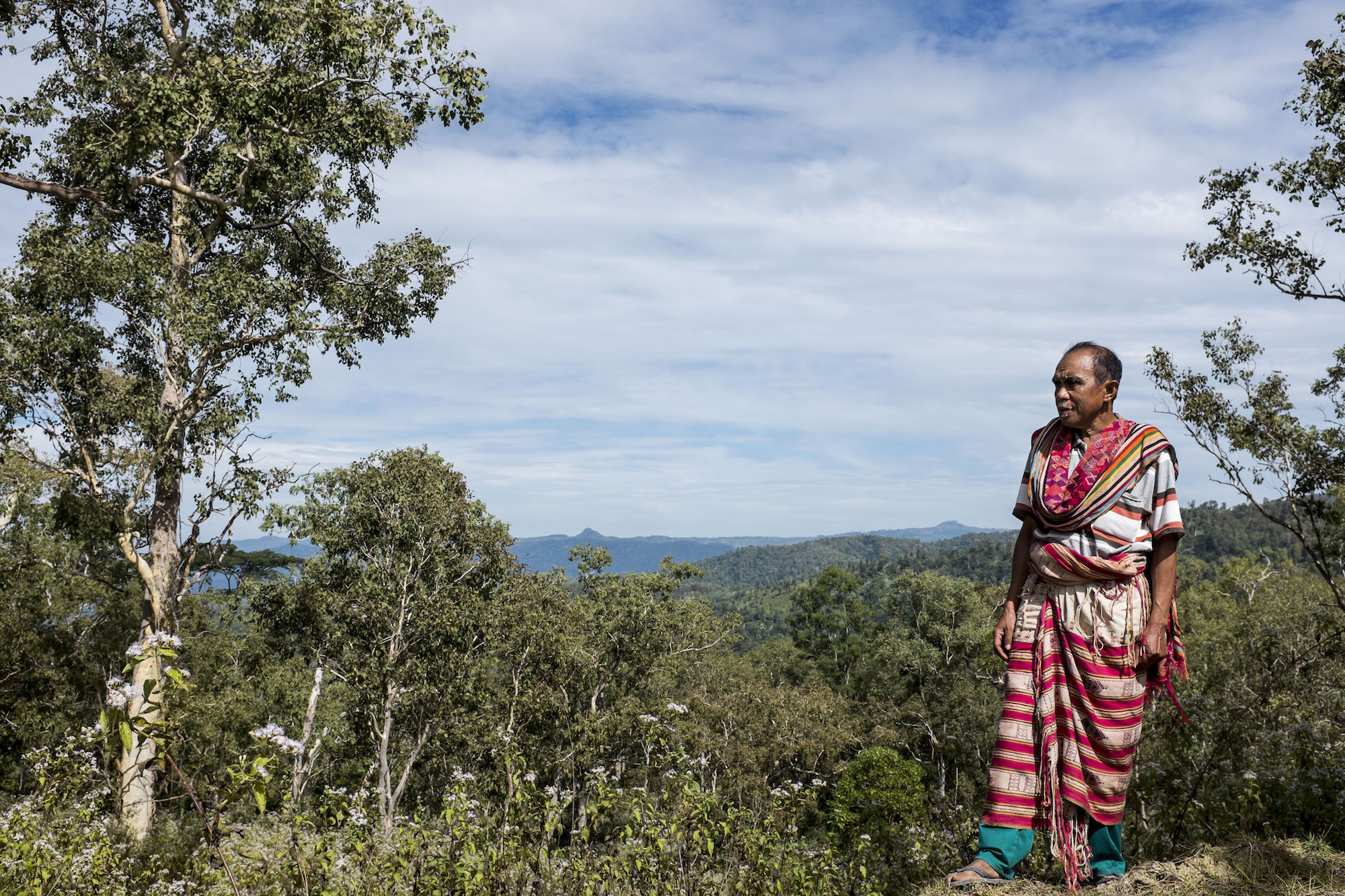
“If we cut down all the trees, we will die,” Isak Fobia, the community leader, told researchers.
The sentence carries the logic of the harvest. No forest means no blossoms. No blossoms means no bees. No bees means no honey, no income and no ceremony.
Before leaving for the honey camp, a two-day journey from home, community members resolve personal conflicts. The harvest depends on cooperation as much as climbing skill. Because the honey is collected without cutting trees, its direct impact on the protected reserve remains low. Because future harvests depend on healthy forest, the community has its own reason to protect the ecosystem.
From hive to canopy
In Ethiopia’s Oromia Region, 420 kilometres from Addis Ababa, Teyib Hussien has spent nearly three decades climbing trees.
He began as a beekeeper, not a seed supplier. For years, he hoisted traditional cylindrical hives made from logs into the branches, using ropes and the kind of skill that comes only with repetition. In 1995, local officials needed tree seed for a planting effort on barren land. They came to Hussien because they knew he could climb.
“At first, I supplied between 100 to 300 kilos of seed to the district, then expanded to the Jimma Zone,” he told Forests News. “Back then, I was paid two to three birr per kilo. At that time, just two birr could cover a day’s expenses. I continued supplying tree seeds for the next 14 years by myself.”
Then demand grew beyond what one person could supply.
In 2009, Hussien helped found the Segni Lalissa Cooperative. It now has 25 members, half of them women. A first payment of 40,000 birr from a private seed company brought the group more money than they had ever earned from farming. Later, when the government-owned Dima Tree Seed Centre offered 50 birr per kilo, the cooperative sold 240 sacks of seed for 611,000 birr.
Bees in dryland agroforestry
In Botswana, where much of the country lies within the Kalahari Desert, rainfall is becoming harder to count on. Agroforestry has been written into the country’s National Forest Master Plan for 2021–2039 as one response: trees for fodder, fruit, soil fertility, restoration and climate adaptation.
At Shaikarawe Community in the Northwest District, the Center for International Forestry Research and World Agroforestry (CIFOR-ICRAF) held a five-day workshop in July 2023 for 34 government officers and 20 local farmers. The training covered tree nursery management, fodder and fruit tree establishment, beekeeping management and land restoration.
“These technologies and practices are required to enhance the availability of fodder for livestock, improve soil fertility, restore degraded landscapes, and for climate change mitigation and adaptation,” said Mothusi Selaledi, national coordinator of Botswana’s Department of Forestry and Range Resources.
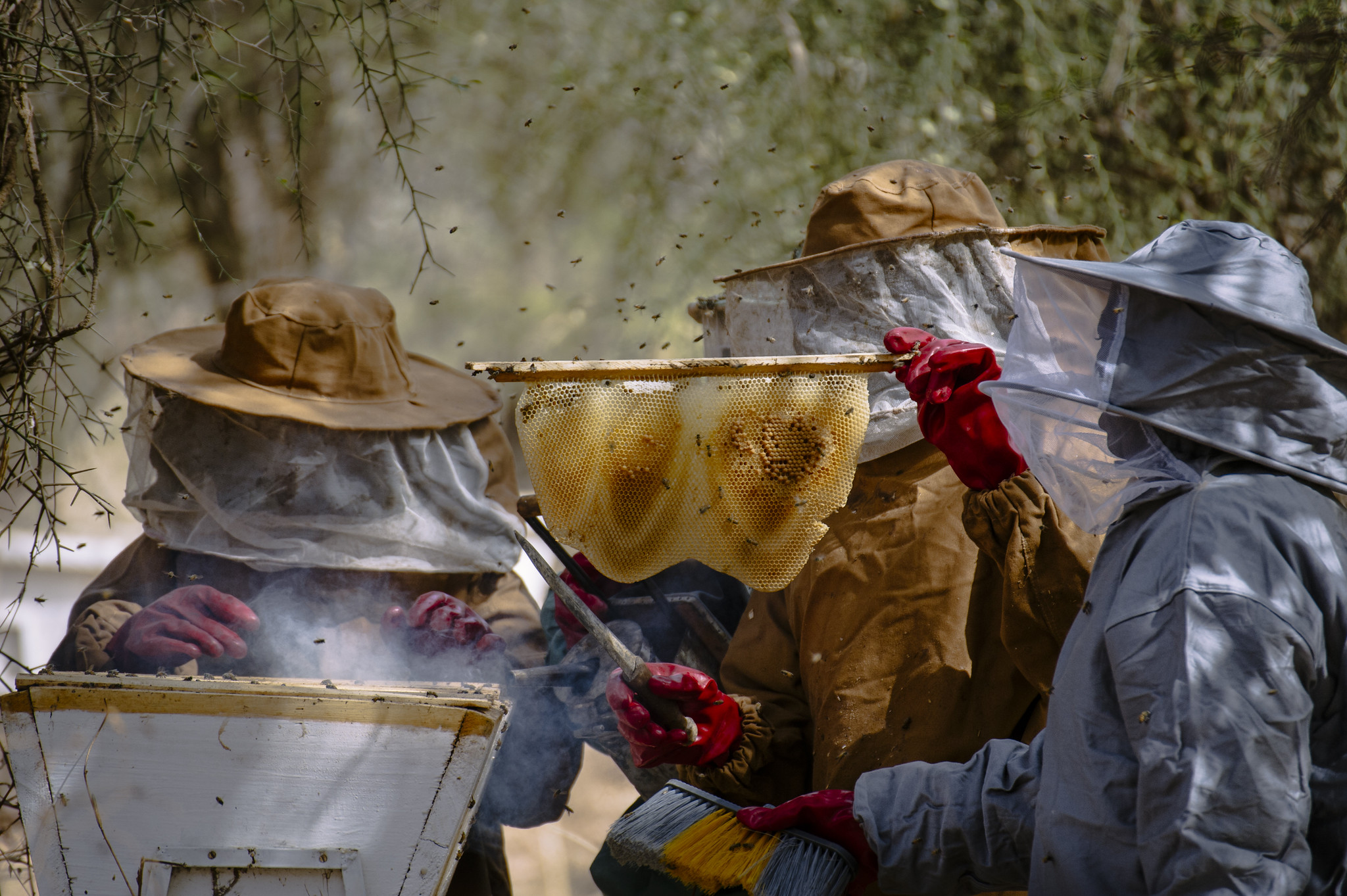
For George Mahindi, chairperson of the Shaikarawe Community Trust, the opportunity was more immediate.
“Shaikarawe Community will be the first to sell honey in the community and towns in the northwest district,” he said.
That is the appeal of bees in dryland agroforestry systems. They require little space. They support pollination across crops and wild plants. They produce honey that can be eaten, used medicinally or sold. And because bees need flowering plants through the season, they reward farms that keep more trees, shrubs and other vegetation in the ground.
For farmers asked to restore degraded land while still feeding families and livestock, that matters. A hive does not replace a tree nursery, a fodder system or a market for fruit. It adds another reason to make those systems work together.
The harder question
World Bee Day rests on a simple premise: bees and other pollinators help keep people, food systems and ecosystems healthy. The harder question is what that means in places where forests are being cleared, peatlands are under pressure and rural households need income now.
The stories from Peru, Indonesia, Ethiopia and Botswana do not offer a blueprint. They show what has to be in place for beekeeping to work: habitat, training, quality control, storage and buyers. Trees planted without nectar sources will do little for pollinators. Hives without healthy surrounding vegetation will struggle. Honey without market access will bring limited returns.
Across these cases, the value of beekeeping extends beyond honey. In Peru, women earn through tourism, environmental education and honey sales. In Indonesia, home garden beekeeping brings income closer to the house. In Ethiopia, women make up half a seed cooperative, handling extraction and cleaning in a system where climbing remains shaped by local norms.
Beekeeping does not remove the harder constraints around land, markets or gender. But it can give value to spaces and skills that conventional agriculture often overlooks: yards, forest edges, tree canopies and cooperative labour.
Editor’s note:
World Bee Day is observed each year on 20 May to raise awareness of the role bees and other pollinators play in food security, biodiversity and healthy ecosystems. The date marks the birthday of Anton Janša, an 18th-century pioneer of modern beekeeping.