

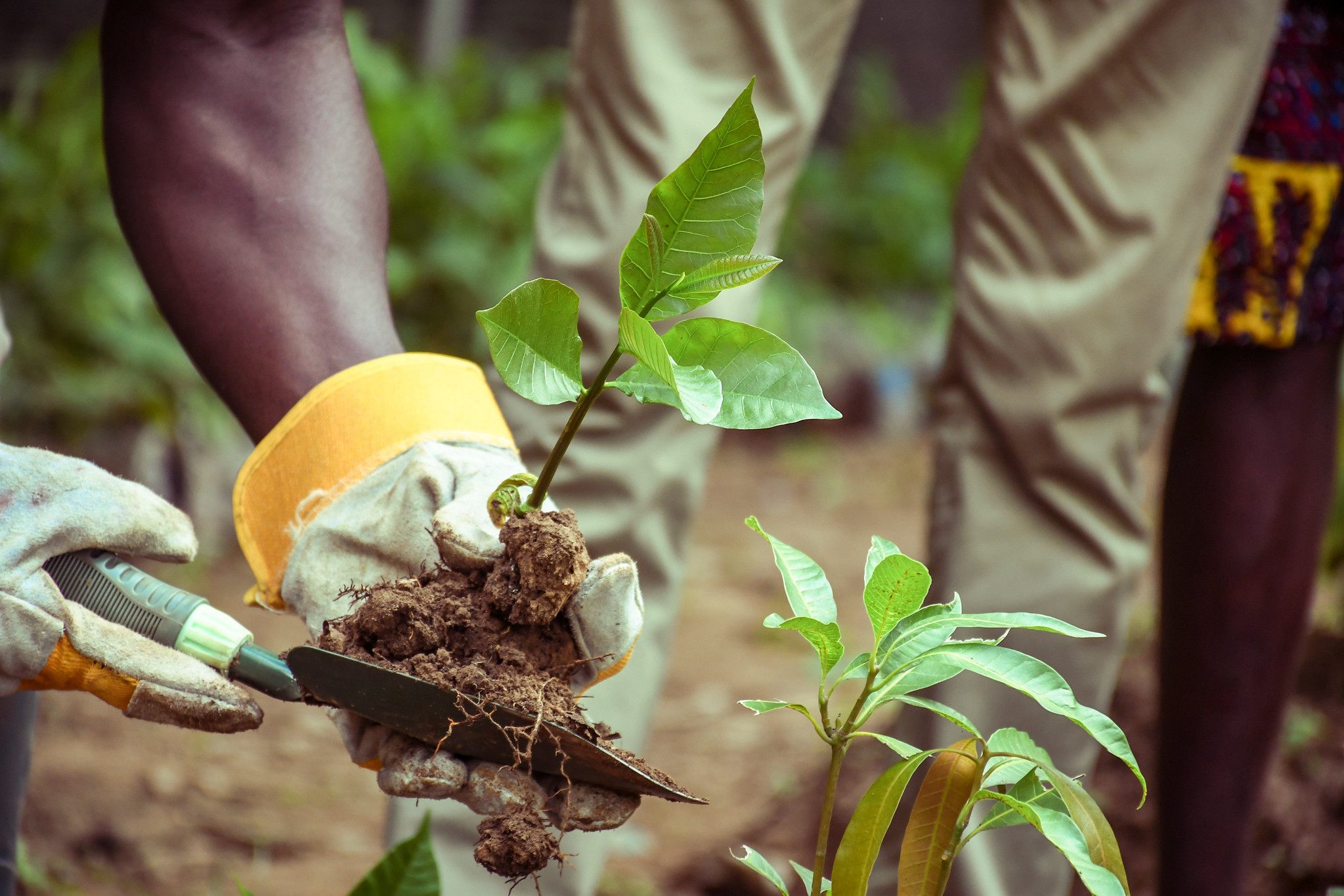
Every field carries a story before it carries a harvest. It is written beneath our feet, in living soil, reaching roots and unseen companions that help plants endure. Long before science named the phytomicrobiome, farmers sensed it in compost-warmed soils, crops standing after dry winds, trees sheltering abundance and seeds carrying hope into the next season. What they knew and what science now confirms is simple: no plant grows alone.
Walk through a maize field in Makueni, a soybean farm in Brazil or a smallholder plot in western Kenya. At first, the scene feels familiar: leaves lifting to the sun, stalks moving with the wind, roots holding their ground in the dark. Yet beneath that ordinary beauty, another story is unfolding. Around each root, inside each stem and across each leaf, bacteria, fungi, archaea, viruses and other microscopic companions trade chemical whispers, compete, cooperate and shape the life of the plant. Together, they form the phytomicrobiome.
The word may sound technical, but its meaning is tenderly simple: the community of microorganisms living with a plant, around it, upon it and within it. They gather near roots, rest on leaves, inhabit stems and sometimes travel inside seeds, waiting for the next beginning. Like humans, plants depend on unseen microbial partners to grow, defend themselves and endure.
This realization is changing how scientists see plants. For generations, a plant was treated as a single being, standing alone in the frame. If yields fell, attention turned to rainfall, fertilizer, pests or seed quality. Now the frame is widening. Plants are not solitary figures in a landscape; they are living ecosystems, braided with microbial companions that influence how they find nutrients, resist disease and survive drought, heat and time.
Some of these companions do work that feels almost miraculous because it happens so quietly. Nitrogen-fixing bacteria turn air into plant food. Other microbes loosen phosphorus locked in soil. Thread-like fungi extend a plant’s reach for water and minerals. Some bacteria hold pathogens back; others wake the plant’s defences before danger fully arrives. In a changing climate, these hidden partnerships may help crops withstand drought, salinity and heat.
The promise is bright. Imagine fields relying less on synthetic fertilizers because living processes are already at work in the soil. Imagine crops enduring longer dry spells through partnerships formed out of sight. Imagine tired landscapes slowly regaining fertility through relationships rebuilt underground. In a world feeding more people under a less predictable climate, the phytomicrobiome offers a humbler path towards ecological agriculture rather than a single miracle.
During a recent presentation at Landscape Alliance, Professor Donald L. Smith of McGill University gave shape to this possibility. His message was rigorous yet quietly optimistic: the future of agriculture may depend on what humans invent, but also on what we learn to notice, nurture and protect.
Still, promise requires humility. The phytomicrobiome resists easy answers, especially in the stubborn “lab-to-field gap.” In greenhouses and growth chambers, beneficial microbes can look astonishing: stronger growth, better nutrient uptake and greater disease resistance. But under open skies, uneven rains and real farm conditions, their performance can become uncertain.
The reason is simple and profound: fields are alive with complexity. No two soils carry the same memory. Weather shifts without permission. Crop varieties respond differently. Farmers work through local knowledge, necessity, inheritance and risk. A microbial inoculant that thrives in one place may fade quietly in another. Nature does not always accept the neatness of our designs.
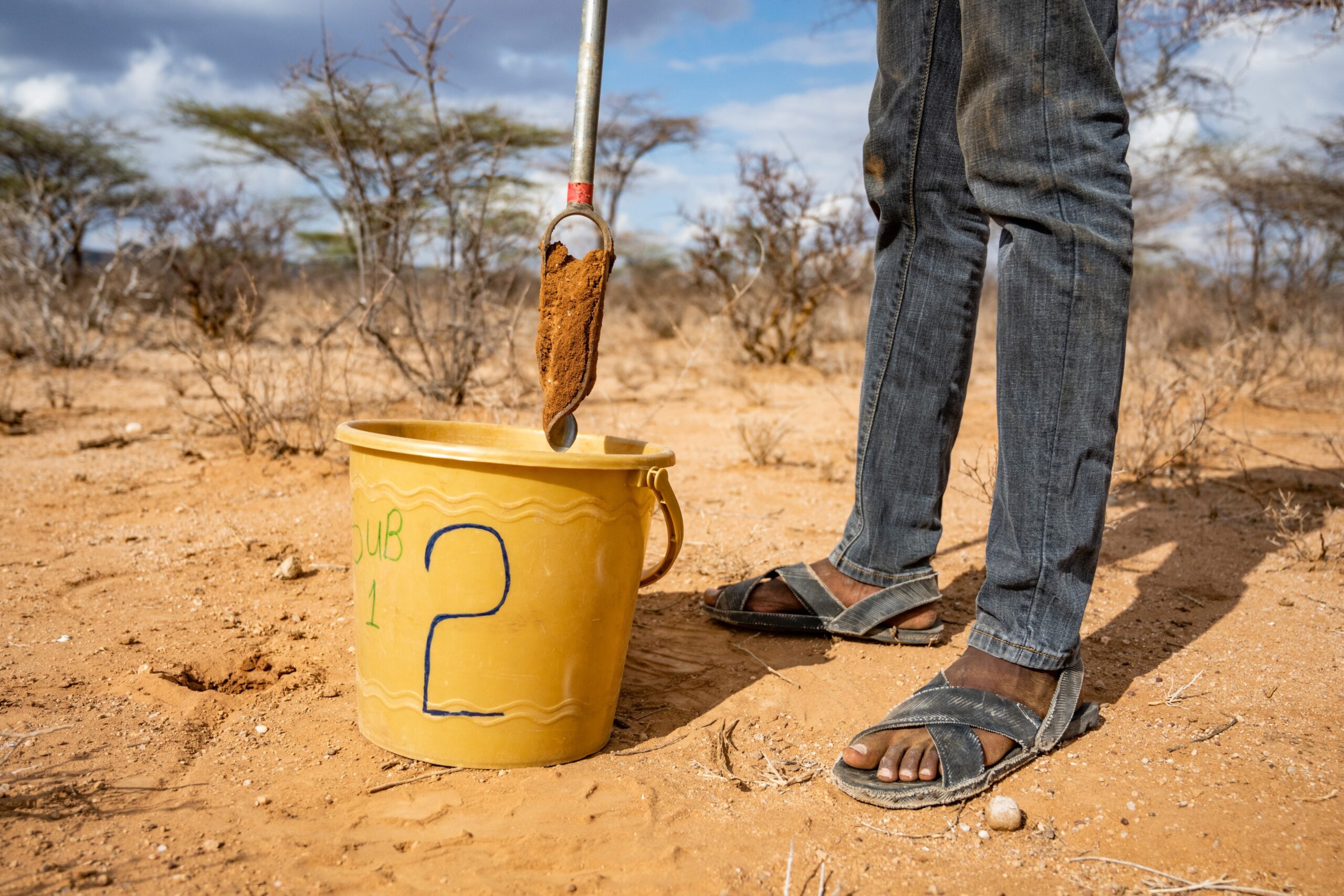
This asks something uncomfortable of us. Have we expected nature to behave like a factory floor? Modern agriculture often seeks solutions that can be packaged, repeated and scaled everywhere. But the phytomicrobiome teaches a quieter lesson: resilience often grows from adaptation, from relationships tuned to place and from the patient intelligence of local conditions. We may need to move with complexity, not against it.
The longing for simple answers also shaped the search for the so-called “magic microbe”: one extraordinary organism to discover, multiply, package and scale. The story was attractive. But nature rarely writes in straight lines. Increasingly, scientists see that many benefits arise from whole communities in motion rather than isolated organisms: microbes cooperating, competing, signalling, sharing and influencing one another in ways we are only beginning to understand.
There may be no microbial hero waiting in the wings. Instead, there are ensembles whose collective work creates something larger than any one member could achieve alone. The lesson reaches beyond biology: health is relational, made through networks, exchange and the persistent art of living together.
This relational view also resonates with traditional and Indigenous knowledge (TIK) systems, which often understand land, plants, animals and humans as bound together through care, responsibility and exchange. In that light, microbiome science is discovering new facts and entering a broader dialogue about how living relationships are understood, valued and governed.
Farmers knew this, even without the vocabulary. Compost awakened soil activity. Agroforestry invited diversity above and below ground. Intercropping changed the atmosphere around roots. Traditional land stewardship often protected the very ecological processes researchers are now learning to describe.
That recognition invites deeper listening. How much of what we call progress is also a return, a scientific rediscovery of knowledge held in fields, forests and communities? Modern science is not diminished by this; it is enlarged. Laboratories reveal what the eye cannot see, but so do seasons, hands and landscapes watched over generations. If microbiome science takes relationality seriously, it must also ask who defines the questions, interprets the data, carries responsibility and is protected when living systems become scientific and commercial resources.
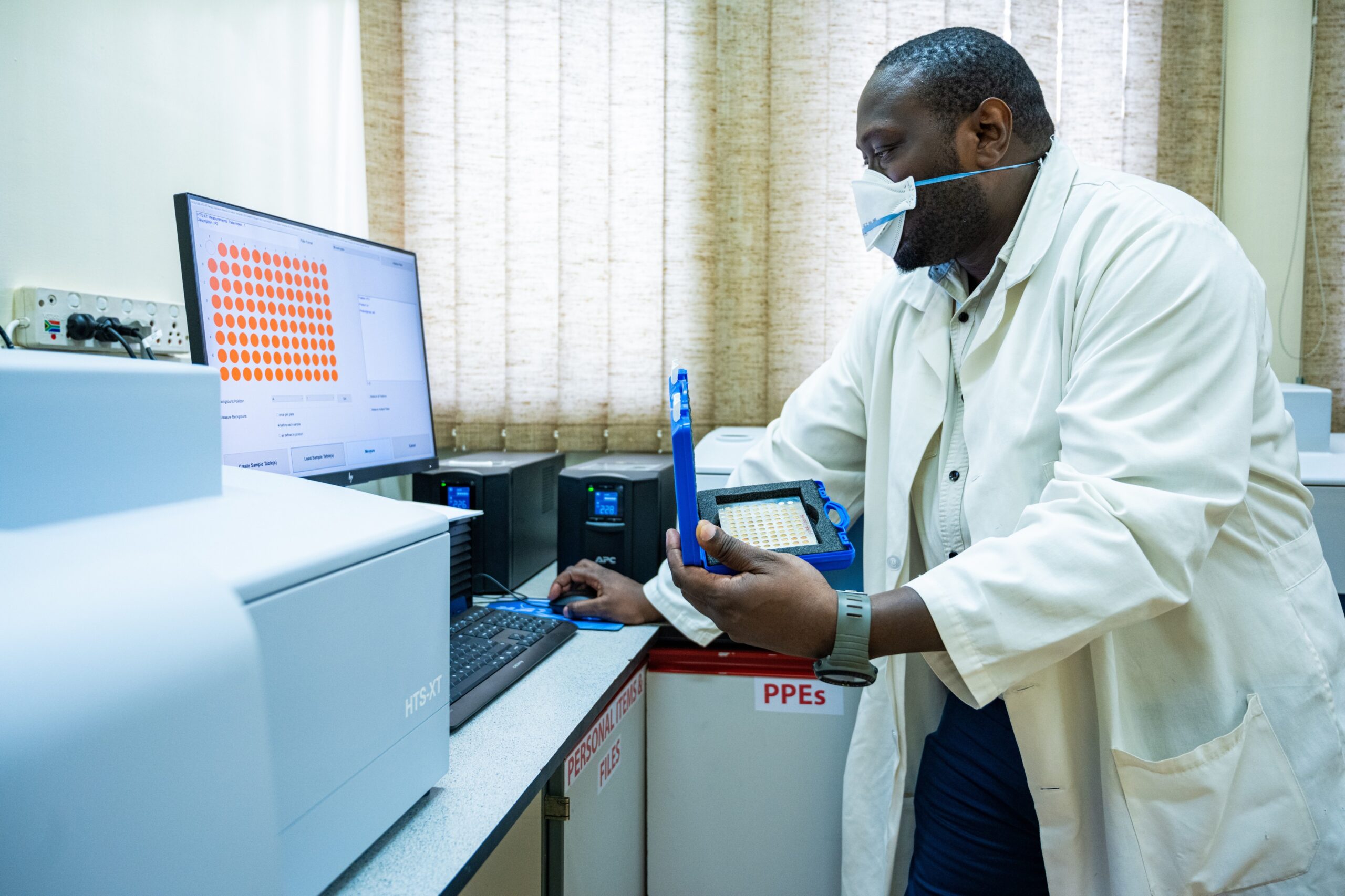
Photo by Leigh Winowiecki / Landscape Alliance
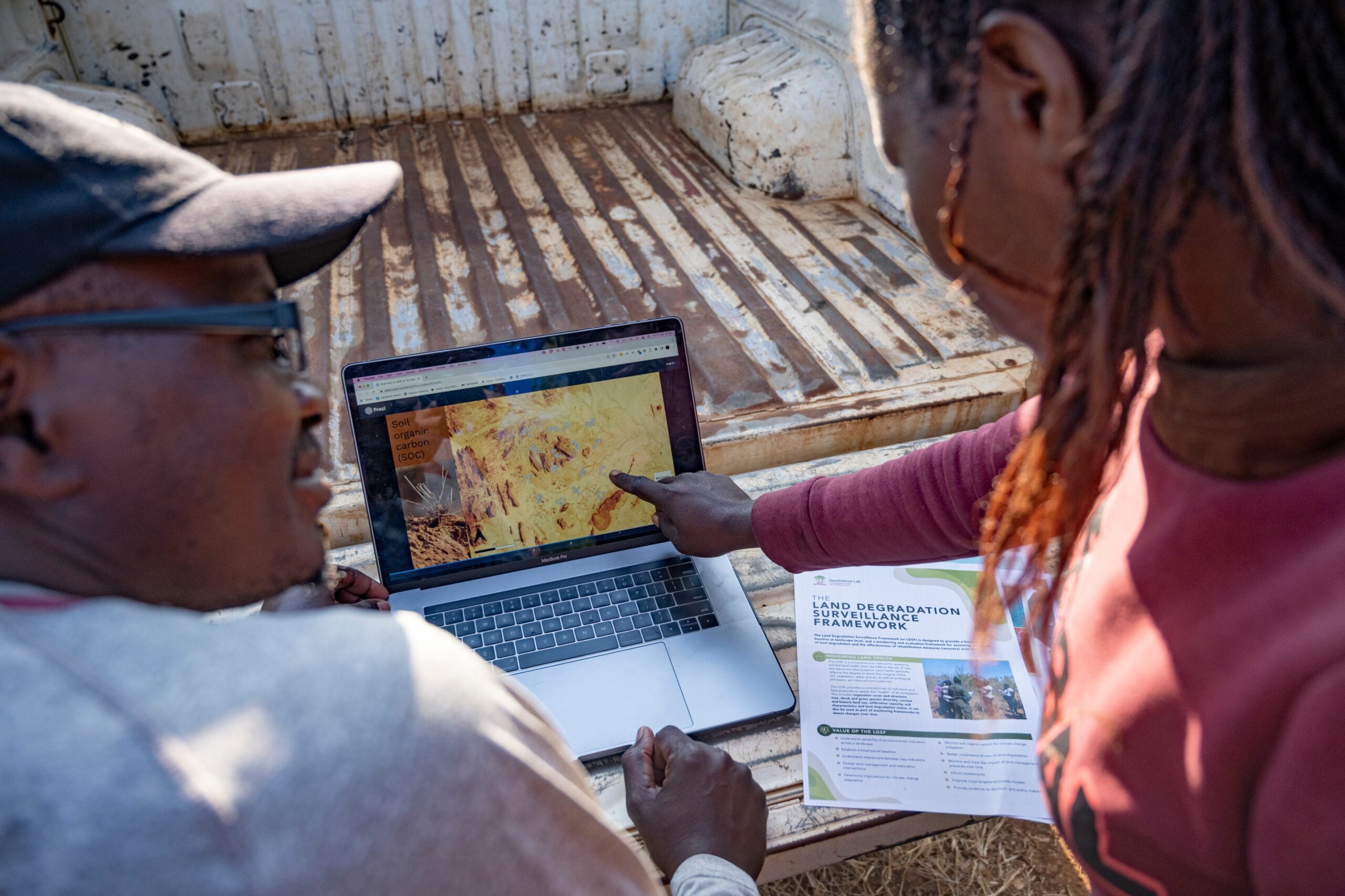
Photo by Leigh Winowiecki / Landscape Alliance
As microbiome research advances and commercial interest grows, ethical questions appear like shadows at the edge of a bright field. Who owns microbial resources isolated from farmers’ soils? Can naturally occurring organisms be patented? If discoveries emerge through work with communities, how should benefits be shared? Access and benefit-sharing (ABS) goes beyond ownership after discovery to include trust, consent, stewardship, recognition and the responsibilities that follow when value is created from living landscapes.
Today, governance is also shifting towards data. Microbiome research depends on genomic sequences, soil metadata, farming practices, environmental records and predictions generated by artificial intelligence (AI). Value may arise less from the organism itself than from the ability to model and engineer microbial communities. This raises urgent questions: Who owns microbiome data drawn from local environments? How should benefits be shared when AI systems create value from that data? Governance informed by TIK offers a useful guide here, emphasizing custodianship, collective stewardship and reciprocal benefit-sharing over narrow ownership. Just as microbial communities thrive through reciprocal relationships rather than isolated competition, governance systems may be more resilient when they emphasize reciprocity over exclusive ownership. ABS frameworks must therefore expand to include digital sequence information, algorithmic outputs and the communities whose landscapes and knowledge make discovery possible.
Kenya’s legal context gives these questions urgency. The Constitution requires the State to support, promote and protect intellectual property rights, promote cultural expression, recognise the role of science and Indigenous technologies and protect Indigenous knowledge of biodiversity and genetic resources. The Environmental Management and Co-ordination (Access to Biological Resources and Benefit Sharing) (No. 2) Regulations, 2025 bring digital information expressly within this framework. They apply to the conservation of biological resources, access to genetic resources, approved research and activities relating to biological resources and associated traditional knowledge, commercialisation and trade in biological resources and any digital sequence information relating to Kenya’s biological resources. In practical terms, this brings genomic data generated from Kenyan biological resources within the access and benefit-sharing framework. Where researchers sequence microbial organisms collected in Kenya, generate datasets, use those data in AI models or develop commercial applications, requirements relating to prior informed consent, mutually agreed terms, access permits, material transfer agreements and fair benefit-sharing may apply, depending on the activity. The Industrial Property Act addresses inventions, patentability, non-patentable inventions and patents relating to living matter. The Protection of Traditional Knowledge and Cultural Expressions Act further protects traditional knowledge through provisions on benefit-sharing, prior informed consent, authorization for use and agreements involving genetic resources.
These laws and regulations do not answer every question raised by microbiome data, AI models and digital sequence information, but they provide a foundation for governance that protects scientific progress while honouring community rights, ecological stewardship and justice.
These questions matter because today’s decisions will shape who is invited into the future these advances promise. Scientific progress, if separated from equity, can deepen the inequalities it hopes to solve. If the phytomicrobiome revolution is to honour its promise, it must attend to discovery, law, governance and justice.
Perhaps the deepest lesson emerging from this field reaches beyond biology into philosophy. Modern societies often celebrate independence, control and self-sufficiency. Yet beneath every plant, another truth is being practised in silence. Roots collaborate with fungi. Bacteria exchange messages. Organisms survive through relationships shaped across evolutionary time. Life persists through connection rather than separation.
As phytomicrobiome research evolves, the questions remain alive. How can scientists bridge laboratory discovery and reliable field application? Should future efforts focus on single strains or whole communities? How can smallholder farmers participate and benefit? How can Indigenous and local knowledge shape research, data stewardship and governance? And as value increasingly arises from sequence data, algorithms and AI-driven applications, how can legal frameworks ensure that benefits return fairly to the people, places and ecological relationships that made discovery possible?
These questions are not obstacles. They are signs of a field growing more mature, self-aware and responsible. They remind us that science produces answers and demands the discipline to ask with humility, precision and care.
The next time you walk through a field, pause. Let the wind move through the leaves. Let the soil seem, for a moment, less ordinary than before. Beneath each step lies a hidden universe where microorganisms feed, signal, defend and shape the plants that sustain human life. For centuries, we passed over this world without hearing it. Now, with new tools and renewed attention, we are beginning to listen.
That is what makes the story of the phytomicrobiome so moving. Its reach extends beyond microbes to relationship, humility, memory, law and rediscovery. It reminds us that some of the strongest forces shaping our world work quietly beneath our feet. It asks us to look again at the ground beneath us and to imagine an agricultural future built less on conquest than companionship, less on extraction than reciprocity.