


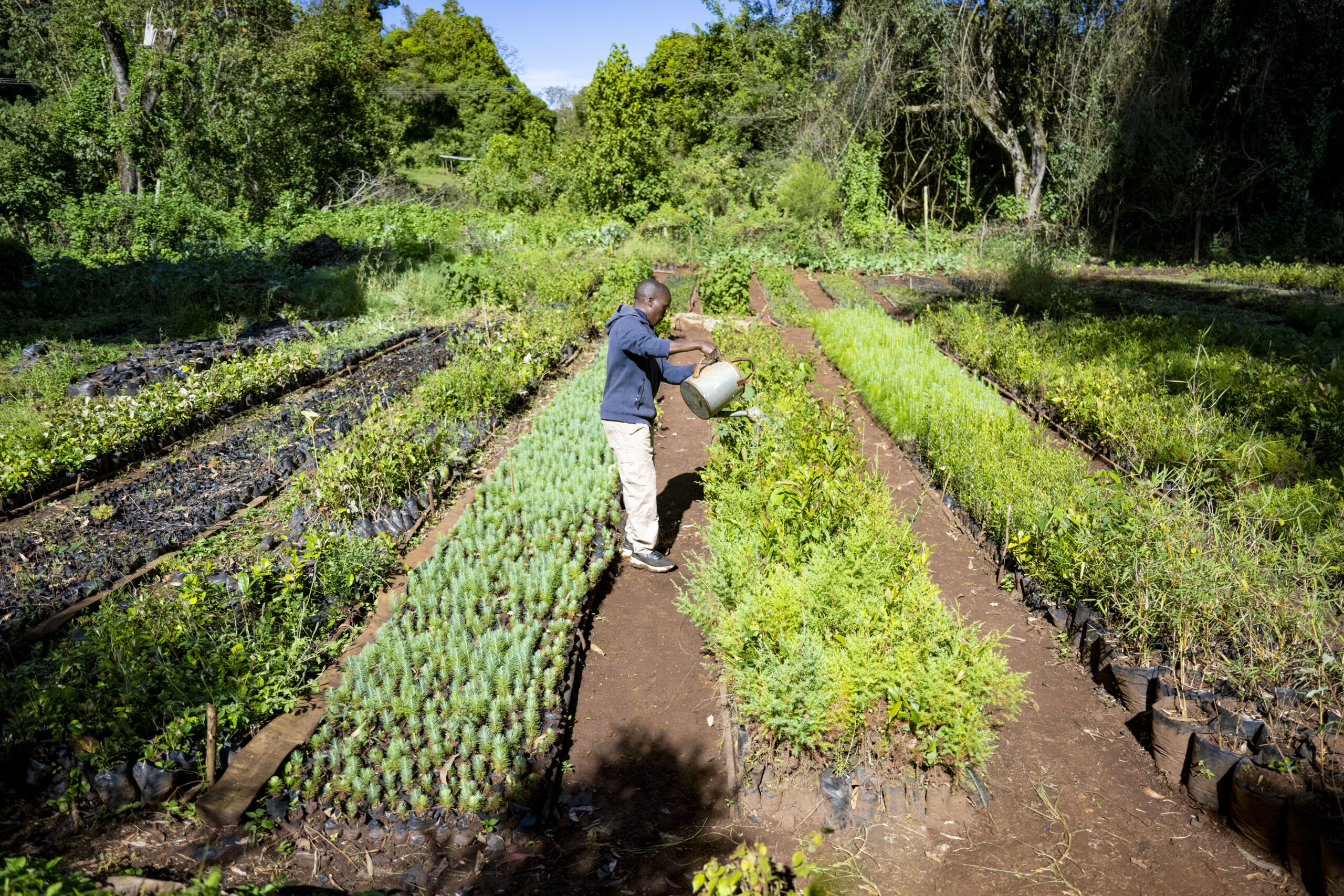
Across Africa, countries are investing heavily in restoring degraded landscapes and expanding tree planting programmes. Success will depend on producing more planting material and ensuring that quality tree seed reaches the landscapes where it is needed.
Through the Quality Tree Seed for Africa (QTS) project, Landscape Alliance has combined technical analysis with broad stakeholder engagement to support national policy processes in Kenya and Rwanda. By bringing together government agencies, researchers and other key actors across the tree seed sector, the project has helped identify practical opportunities to strengthen the policy and institutional environment supporting tree seed systems.
Although each country has followed a different pathway, both show how combining technical evidence with sustained dialogue across the tree seed sector can help governments identify priorities, refine policy and support implementation over time.

Kenya: Strengthening policy through evidence and stakeholder engagement
Kenya has committed to planting 15 billion trees by 2032. Achieving this ambition depends on producing more seedlings and on policies that support access to diverse, high-quality planting material and enable the many organizations and communities that contribute to restoration.
Through technical analyses of Kenya’s tree seed sector and policy environment, combined with broad stakeholder engagement, the project identified practical opportunities to improve the enabling environment for Kenya’s tree seed system. These included stronger recognition of native tree species, clearer institutional roles, better coordination across the sector and improved information flows between seed collectors, nurseries and tree growers.
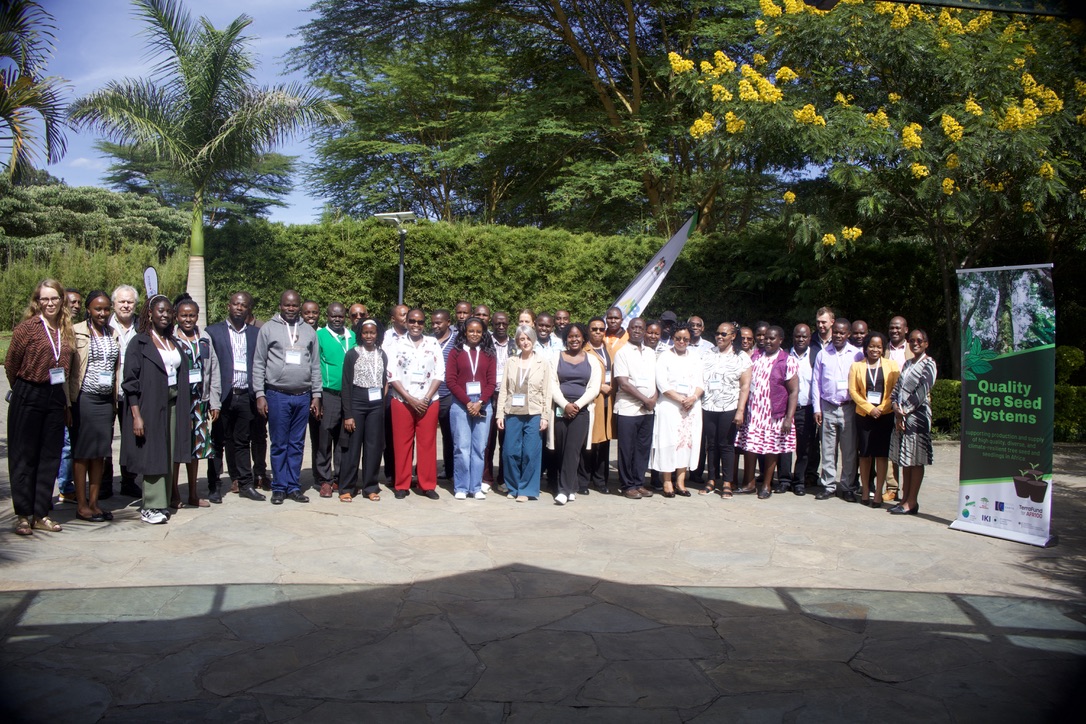
A key insight emerged during the first national Policy Dialogue Platform in June 2025. The platform brought together government agencies, research institutions, county representatives, community organizations, NGOs, restoration practitioners and private sector actors. Participants agreed that the Draft Seeds and Plant Varieties (Forest Tree Seed) Regulations represented the most immediate opportunity for strengthening Kenya’s tree seed sector.
Many participants also remarked that it was the first time such a broad cross-section of organizations had come together to discuss the tree seed sector, creating an opportunity to share technical knowledge alongside practical experience. To continue the engagement, the project established four thematic technical working groups comprising representatives from around 15 organisations across the tree seed sector. Between October 2025 and May 2026, the groups met regularly to examine priority themes identified during the dialogue, including genetic quality, seed source custodianship, regulations and tree seed value chains. They developed practical recommendations for strengthening the draft regulations.
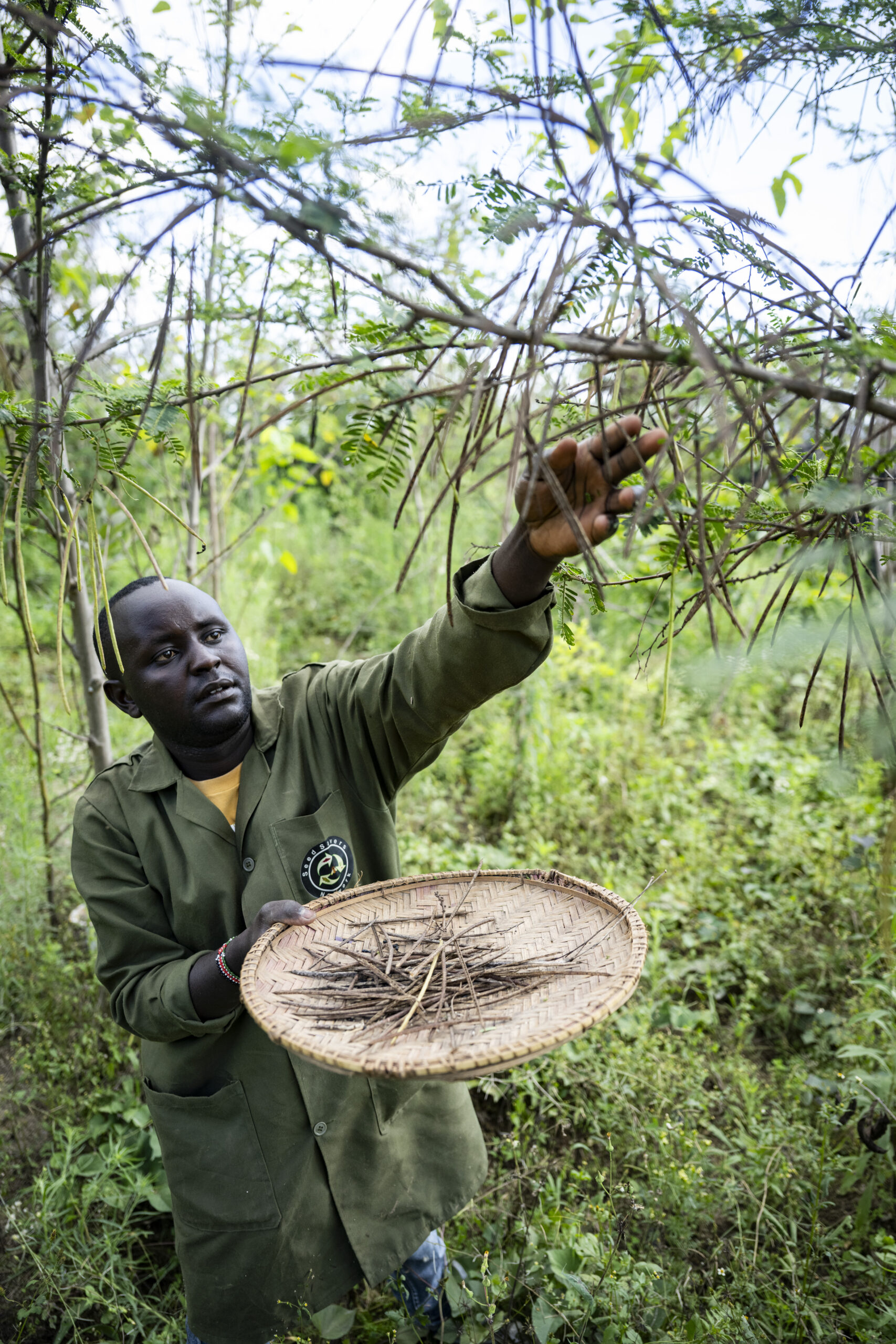
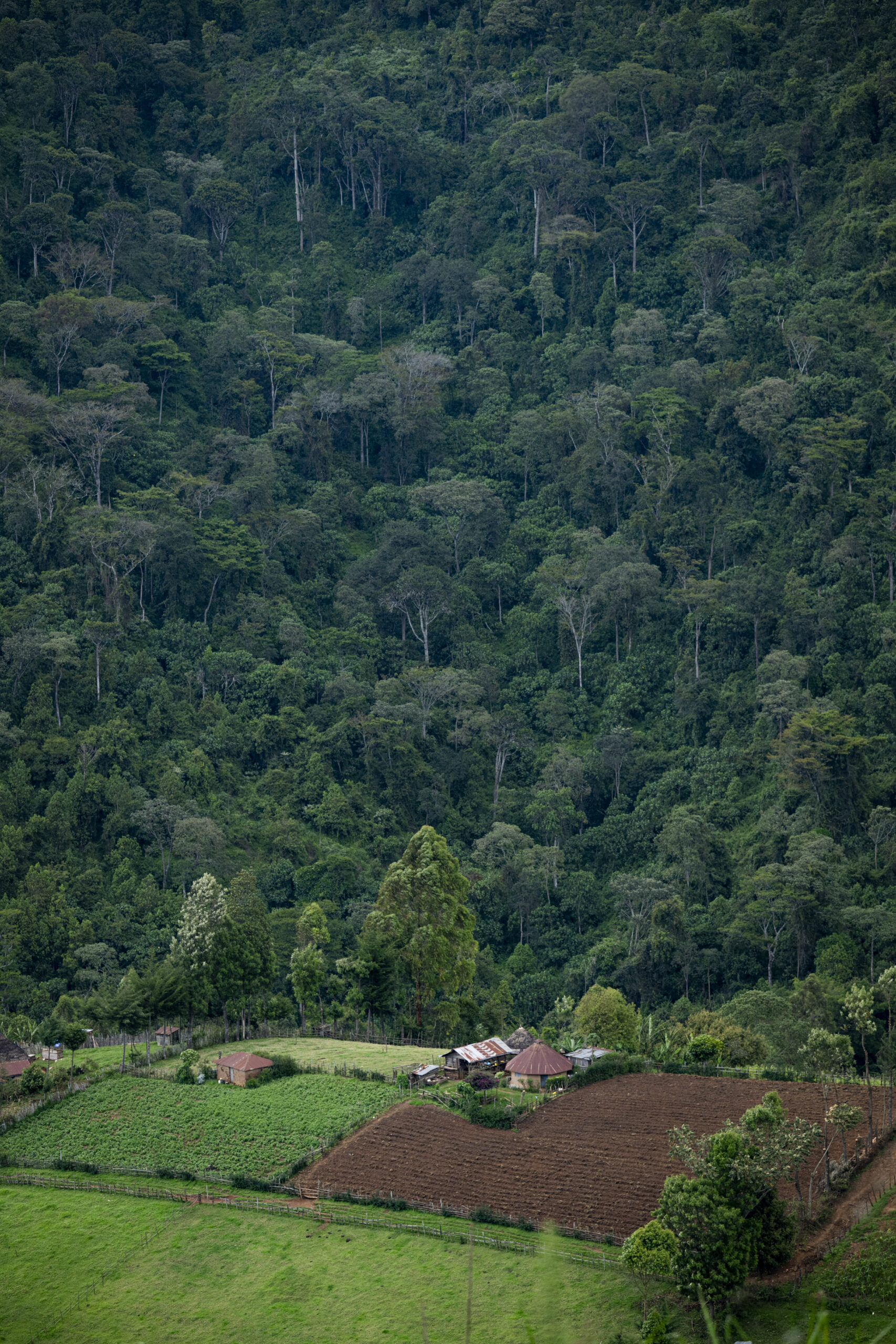
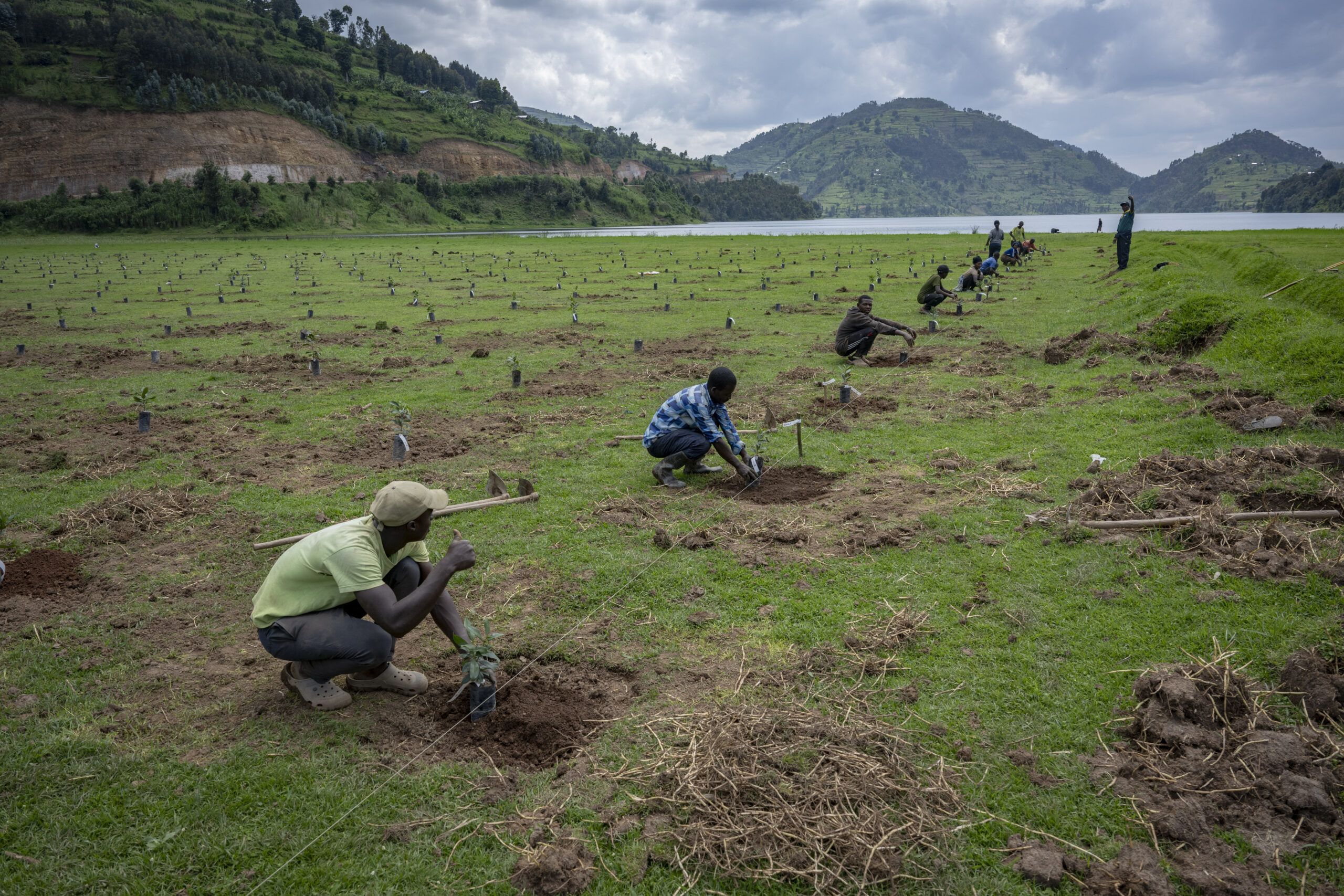
Photo by Kelvin Trautman / Landscape Alliance
The working group findings were presented during a second Policy Dialogue Platform in April 2026, where stakeholders also validated the project’s Tree Seed Sector Assessment and Policy Review and agreed priorities for moving forward. This created a structured pathway for translating technical evidence and stakeholder experience into practical policy recommendations.
In June 2026, the Government of Kenya convened a national workshop on the Draft Seeds and Plant Varieties (Forest Tree Seed) Regulations. Drawing on months of collaborative discussion, Landscape Alliance and its partners presented a consolidated set of recommendations developed through the technical working groups and wider stakeholder engagement. Government-led working groups, with participation from Landscape Alliance, are now discussing how agreed recommendations can be reflected in the implementation of the regulations.
Rather than producing recommendations in isolation, the project established an ongoing process through which technical evidence, stakeholder experience and government leadership continue to inform Kenya’s evolving policy environment for tree seed systems. The dialogue has continued well beyond the initial workshop, creating a platform for shared learning and collective problem-solving as implementation moves forward.
“One of the strongest messages from the first Policy Dialogue Platform was that many participants had never before had the opportunity to discuss the tree seed sector together. That shared understanding became the foundation for everything that followed.”
Katrine Gro Friborg, Project Team lead of the Quality Tree-Seed for Africa project, Landscape Alliance
Rwanda: Supporting implementation of a national strategy
Rwanda’s policy context was different. With the country’s second edition of the tree reproductive material strategy (2026–2035) nearing publication, the project’s focus was on supporting implementation rather than strategy development.
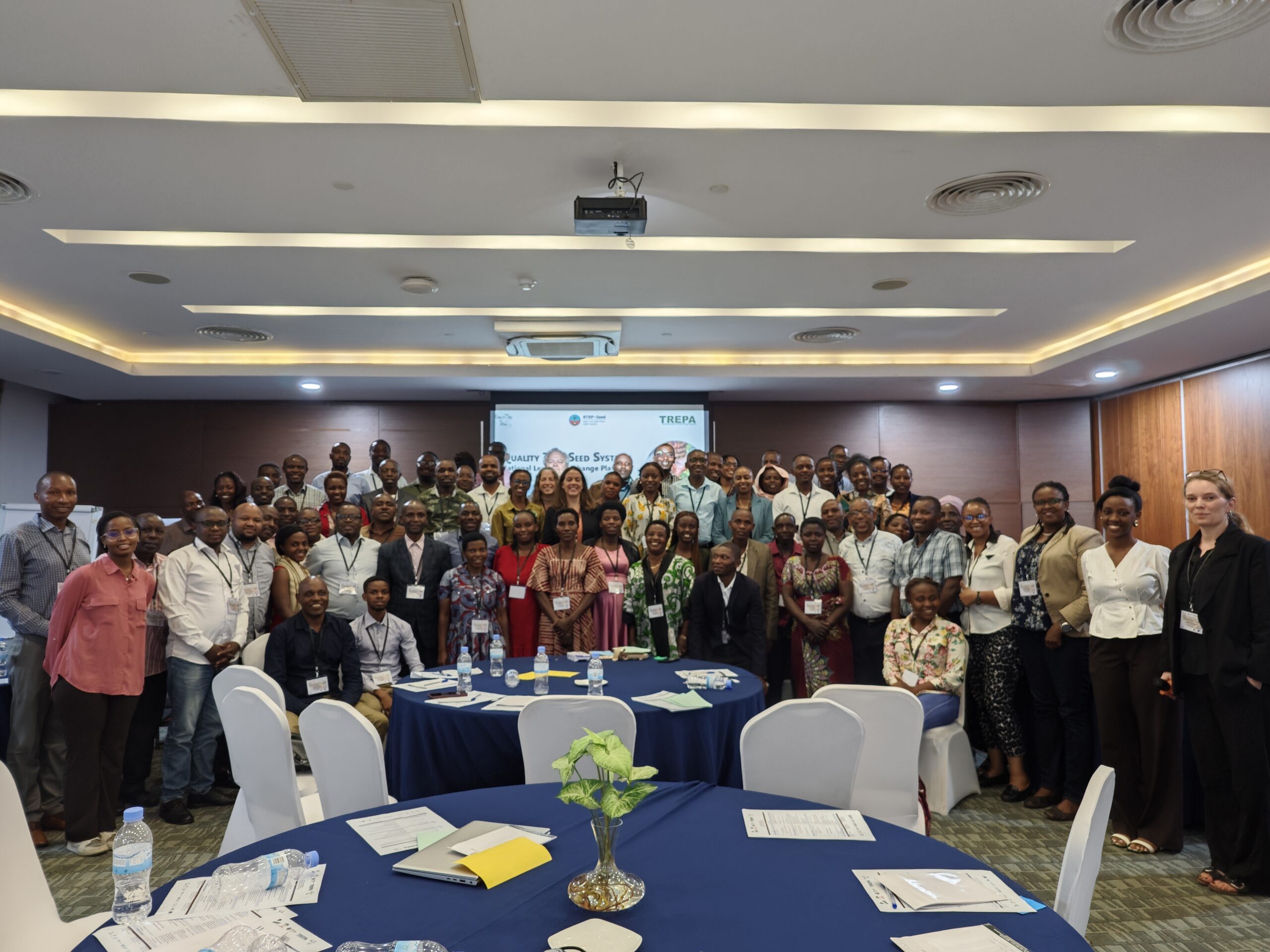
Working closely with the Rwanda Forestry Authority (RFA) and national partners, the project undertook a tree seed sector assessment and policy review to identify opportunities for strengthening the policy and institutional environment supporting Rwanda’s tree seed system. The findings were presented during a national validation workshop in April 2026, where government institutions, researchers, development partners and restoration practitioners came together to validate the recommendations and identify priorities for implementation.
Workshop participants validated the findings of the tree seed sector assessment and policy review while identifying practical priorities for implementation. These included improving seed source identification and documentation, strengthening quality standards, recognizing and supporting seed source custodians, improving institutional coordination and building the capacity of tree seed sector actors. Following the workshop, the Rwanda Forestry Authority and Landscape Alliance agreed that, rather than substantially revising the tree seed sector assessment, the next step would be to jointly develop practical implementation guidelines for selected priority pathways within the forthcoming tree reproductive material strategy.
The implementation guidelines will support priority actions, including seed source development and stronger engagement by private sector actors in Rwanda’s tree seed system. In this way, the project has built on policy dialogue by helping put national priorities into practice.
“The tree reproductive material strategy sets the national direction. The implementation guidelines will help translate those priorities into practical actions for the organizations responsible for delivering them.”
Dr Concorde Nsengumuremyi, RFA Director General
Shared lessons
Although Kenya and Rwanda followed different policy pathways, both demonstrate that stronger policy depends on more than technical evidence alone.
In both countries, technical analyses provided the evidence base, while stakeholder dialogue enabled government agencies, researchers and tree seed sector actors to validate findings, identify shared priorities and develop practical recommendations. Together, these experiences show how sustained engagement throughout the policy process can help build stronger tree seed systems that are grounded in both scientific evidence and practical experience.

What comes next
The policy processes supported through the Quality Tree Seed for Africa project continue beyond the project’s workshops and technical analyses.
In Kenya, government-led working groups are now discussing how recommendations developed through the project’s stakeholder dialogue and technical working groups can be reflected in the implementation of the new forest tree seed regulations. In Rwanda, collaboration with the Rwanda Forestry Authority continues through the joint development of practical guidelines to support implementation of the forthcoming tree reproductive material strategy.
Although the policy pathways differ, both countries demonstrate that strengthening tree seed systems takes more than a single workshop, report or policy document. It requires an ongoing process that combines technical evidence with broad stakeholder engagement, enabling governments and stakeholders to identify priorities, refine policy and support implementation over time. As restoration ambitions grow across Africa, maintaining these partnerships and opportunities for dialogue will help policies for tree seed systems to evolve alongside scientific knowledge, practical experience and national priorities.
For more information, visit the Quality Tree Seed for Africa Project website: https://www.cifor-icraf.org/quality-tree-seed-for-africa/
Explore the project’s policy resources
The policy engagement described in this article builds on technical analyses undertaken through the Quality Tree Seed for Africa project.
Kenya
Rwanda