
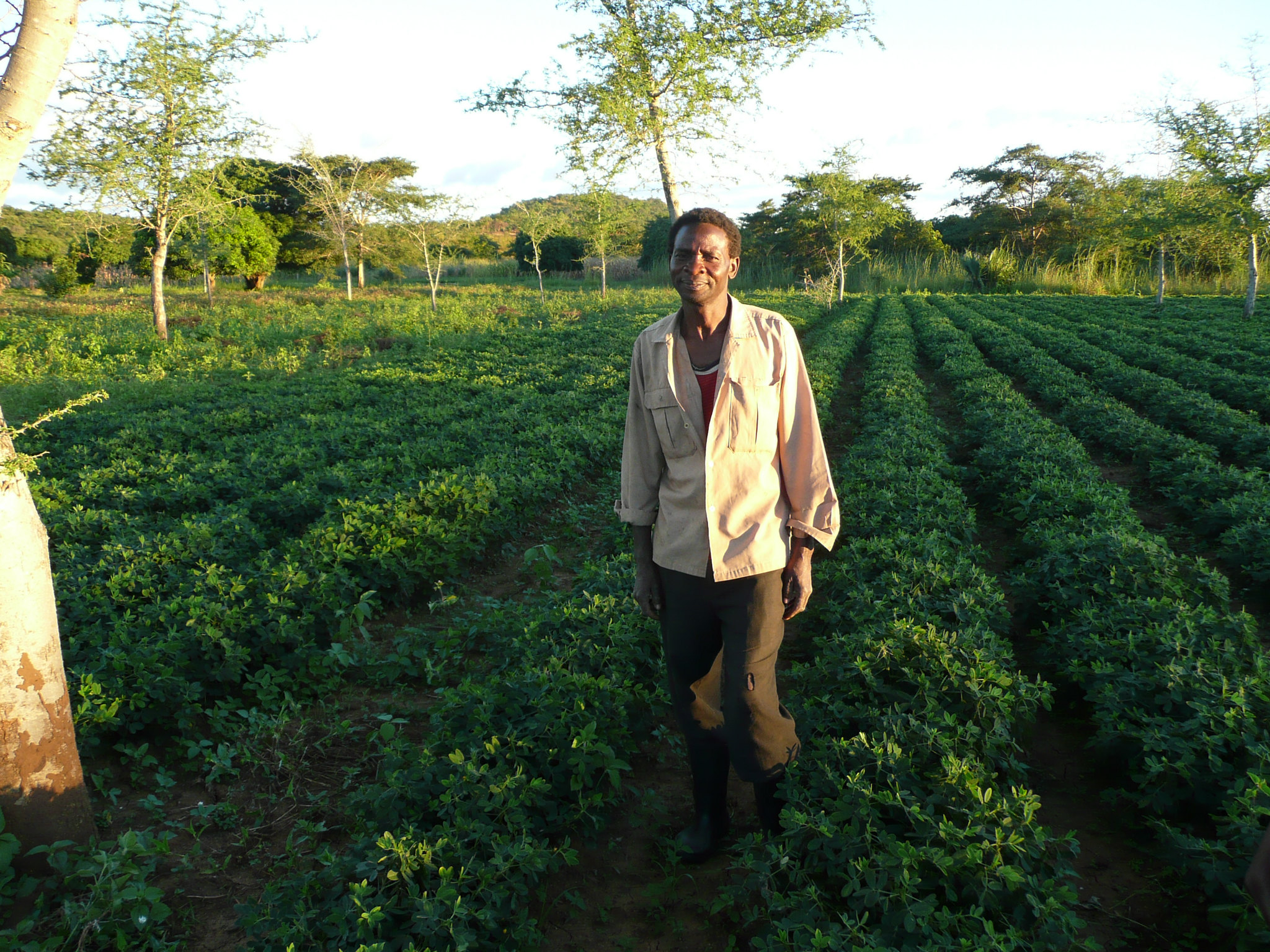
Smallholder farmers, private enterprises, government officials and development partners gathered in Petauke District, in Zambia’s Eastern Province, on 2 June 2026 to launch a new initiative aimed at strengthening certified seed production and expanding economic opportunities for rural communities.
“Seeds for Self-Reliance: Economic Empowerment of Smallholders through Certified Legume Production”, implemented by Action Against Hunger (AAH), is part of wider efforts to promote sustainable agricultural growth through partnerships between communities, the private sector and development organizations.
The initiative is funded through the financial matching grant component of the Zambia for Agroforestry, Biodiversity and Climate (Z4ABC) project, funded by the European Union and implemented by Landscape Alliance in partnership with the Government of Zambia.
Z4ABC works to strengthen climate-resilient and nature-based value chains while creating economic opportunities for rural communities across the Lower Zambezi–Luangwa–Nyika (ZLN) corridor.
The new initiative aims to improve access to certified legume seeds for smallholder farmers in Nyimba, Petauke and Katete districts. Through the EU Z4ABC Financial Matching Grant Programme, AAH received a grant of EUR 50,000 to support certified seed production, processing, quality assurance and market development.
The grant forms part of a broader investment package managed by Landscape Alliance in collaboration with Prospero Limited. Under the programme, a total of EUR 715,218 has been awarded to 13 small and medium enterprises (SMEs) operating across five nature-based value chains: certified legume seeds, bamboo, wild mushrooms, caterpillars and community-led ecotourism.
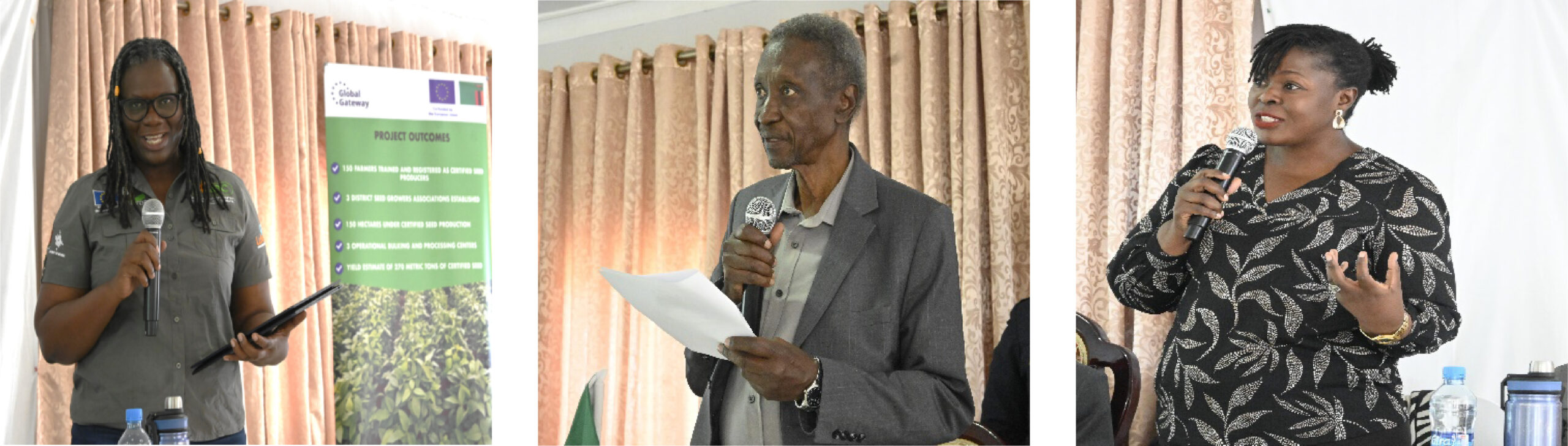
Speaking during the launch, Patricia Masikati, Z4ABC project manager and systems scientist at Landscape Alliance, emphasized the strategic importance of investing in entire value chains rather than isolated production activities.
“The grant component supports the sustainable scaling of the entire legume value chain, from certified seed production and processing to quality assurance, certification and strategic market development across three key project landscapes,” she said.
Her remarks reflected Z4ABC’s wider aim of connecting research and entrepreneurship to create sustainable livelihood opportunities while conserving biodiversity and strengthening climate resilience.
Eastern Province Permanent Secretary Paul Thole welcomed the programme as a practical contribution to Zambia’s economic transformation agenda.
He described agriculture as the “bedrock for job creation, food security and rural transformation,” noting that investments that strengthen agricultural productivity and market access are critical for improving rural livelihoods and stimulating local economies.
For Action Against Hunger, the programme offers an opportunity to address one of the key constraints facing smallholder farmers: access to quality seed.
Action Against Hunger Zambia Country Director Mary Khozi said the financial matching grant could strengthen local seed systems and create sustainable market opportunities.
“The financial matching grant directly bridges the critical gap in access to high-quality certified seed supply while unlocking sustainable market linkages for smallholders,” she said.
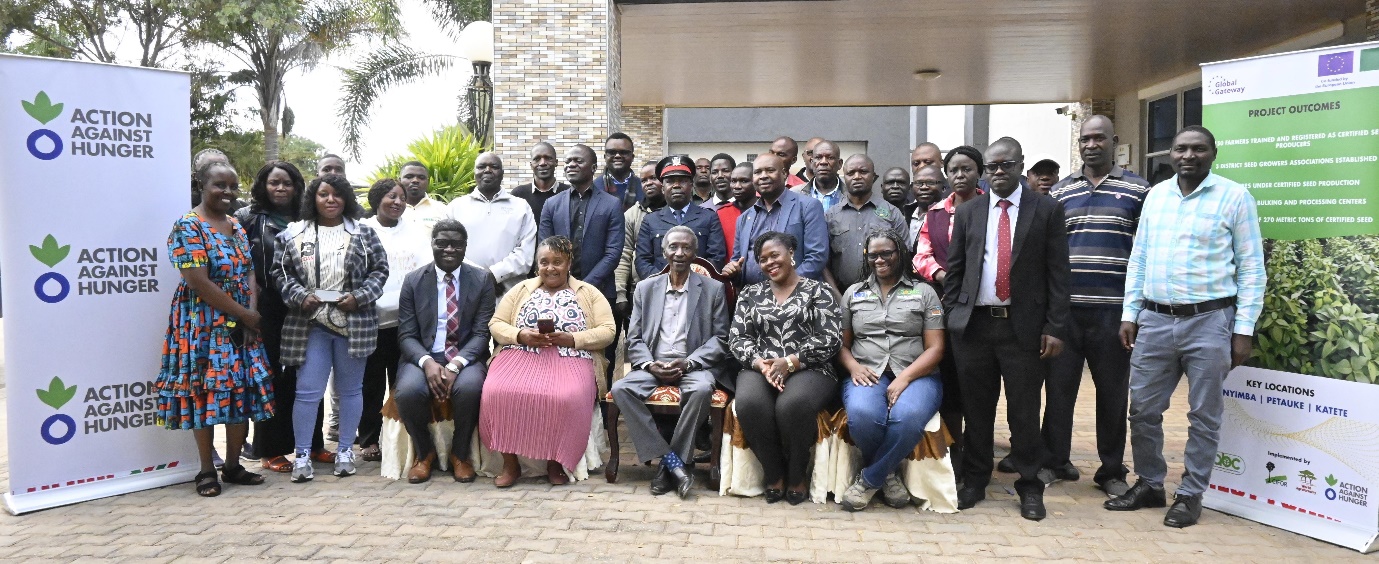
Improved access to certified seeds is expected to increase productivity, enhance food security and create new income-generating opportunities for farming households. Strengthening local seed production systems could also reduce dependence on external seed sources while promoting more resilient agricultural value chains.
The launch also highlighted the growing role of private sector investment in supporting sustainable development. Through the matching grant mechanism, the Z4ABC project is helping enterprises scale up operations, create green jobs and develop business models that support both environmental sustainability and economic growth.
By combining scientific research with private sector investment, Landscape Alliance aims to translate green growth policies into tangible benefits for communities living in Zambia’s biodiversity-rich landscapes.
Beyond the launch, representatives from Landscape Alliance undertook a field mission from 2 to 4 June 2026 to engage with nine other enterprises funded through the EU Z4ABC Financial Matching Grant Programme across the ZLN corridor.
The visits provided an opportunity to assess progress, strengthen partnerships and better understand how grant-funded businesses are contributing to local development and sustainable natural resource management.
Among the enterprises visited were Nutri Aid Trust, AAH, Forest Africa, Penial Agri, Kagezi Seed, Nokamu Enterprises Limited, Tience Limited, Good Nature Agro Products Limited and Sheni Agri. These organizations represent a diverse portfolio of businesses working across agriculture, forestry, biodiversity conservation and nature-based enterprises.
The field visits showed how strategic investments in sustainable value chains can contribute to improved household incomes, food security and employment opportunities while creating stronger incentives for environmental stewardship.
As Zambia pursues climate-resilient and inclusive economic growth, initiatives such as the EU Z4ABC Financial Matching Grant Programme are supporting local entrepreneurship and building thriving rural economies.
For communities participating in these value chains, the potential benefits extend beyond production and income to more resilient livelihoods across the targeted landscapes.