
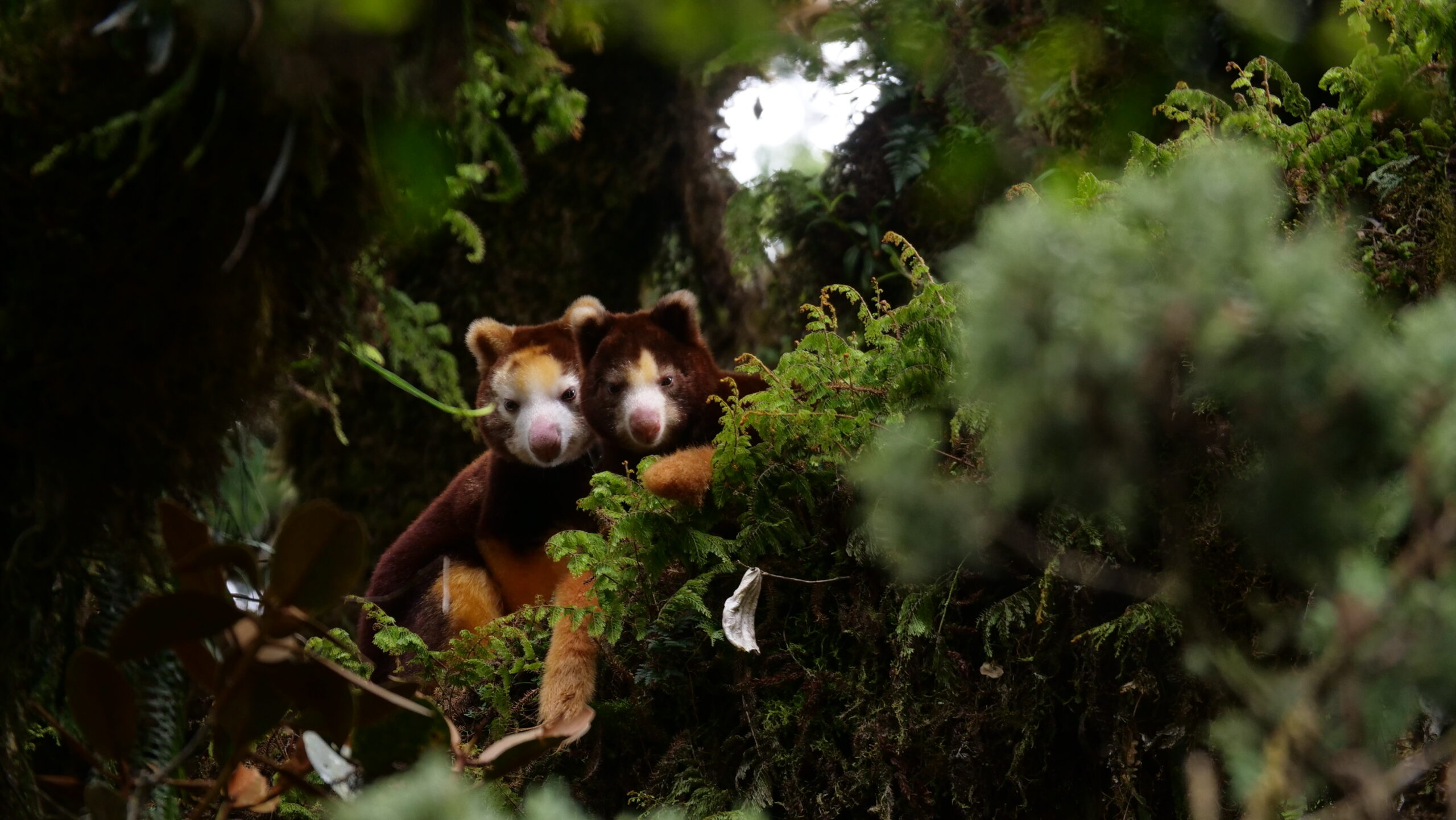
Amid the golden-brown lichens of a New Guinea cloud forest canopy, something moves. Its tawny fur blends into the surroundings, making it difficult to spot at first. Then a pale, fluffy face appears between the branches. And then a second face, smaller, lighter and fluffier still, pops out of the pouch on its stomach.
At first glance, the animal might be mistaken for a possum, and the two do share the same lineage. But the fluffy creature belongs to a family more usually associated with the Australian desert, red sand, big jumps and powerful kicks. It’s a kind of kangaroo.
In fact, the ancestors of all kangaroos lived in trees. When Australia started to dry out around 15 million years ago and forest cover shrank, these animals adapted to life on arid ground — hopping included. Millions of years later, the region’s forests expanded again, and some kangaroos returned to the trees: biologists believe they occupied the niche that monkeys now fill in other tropical forests.
Today, there are 14 described species of tree kangaroo — mostly on the island of New Guinea, with two species in northeastern Australia. These elusive, arboreal marsupials spend most of their lives in rainforest canopies and inhabit some of the most inaccessible and under-researched forests on Earth. As a result, there’s a lot we don’t know about them, including the size of their populations and how endangered they might be. One species, the Wondiwoi (Dendrolagus mayri), is an extreme example: the animal has been confirmed just twice, with a 90-year gap in between.
Since 2023, these cryptic animals have been celebrated through a dedicated International Day— 21 May. It remains to be seen if this increased visibility will help to preserve their populations and the forests they call home.
Banking on biodiversity
The animals’ cuteness could definitely weigh in their favour. Zoologist Lisa Dabek, who first encountered tree kangaroos in Seattle’s Woodland Park Zoo over 35 years ago, remembers being captivated by them. “Once you learn about them, there’s no going back,” she said.
She wasn’t exaggerating. Researching and protecting the species has become her life’s work. After writing her doctoral dissertation on tree kangaroos’ reproductive biology and behaviour, she travelled to the Huon Peninsula in northeastern Papua New Guinea (PNG) to research the conservation status of a species endemic to the area, the Matschie’s tree kangaroo (Dendrolagus matschiei), a difficult-to-spot species known locally as the “ghost of the forest”.
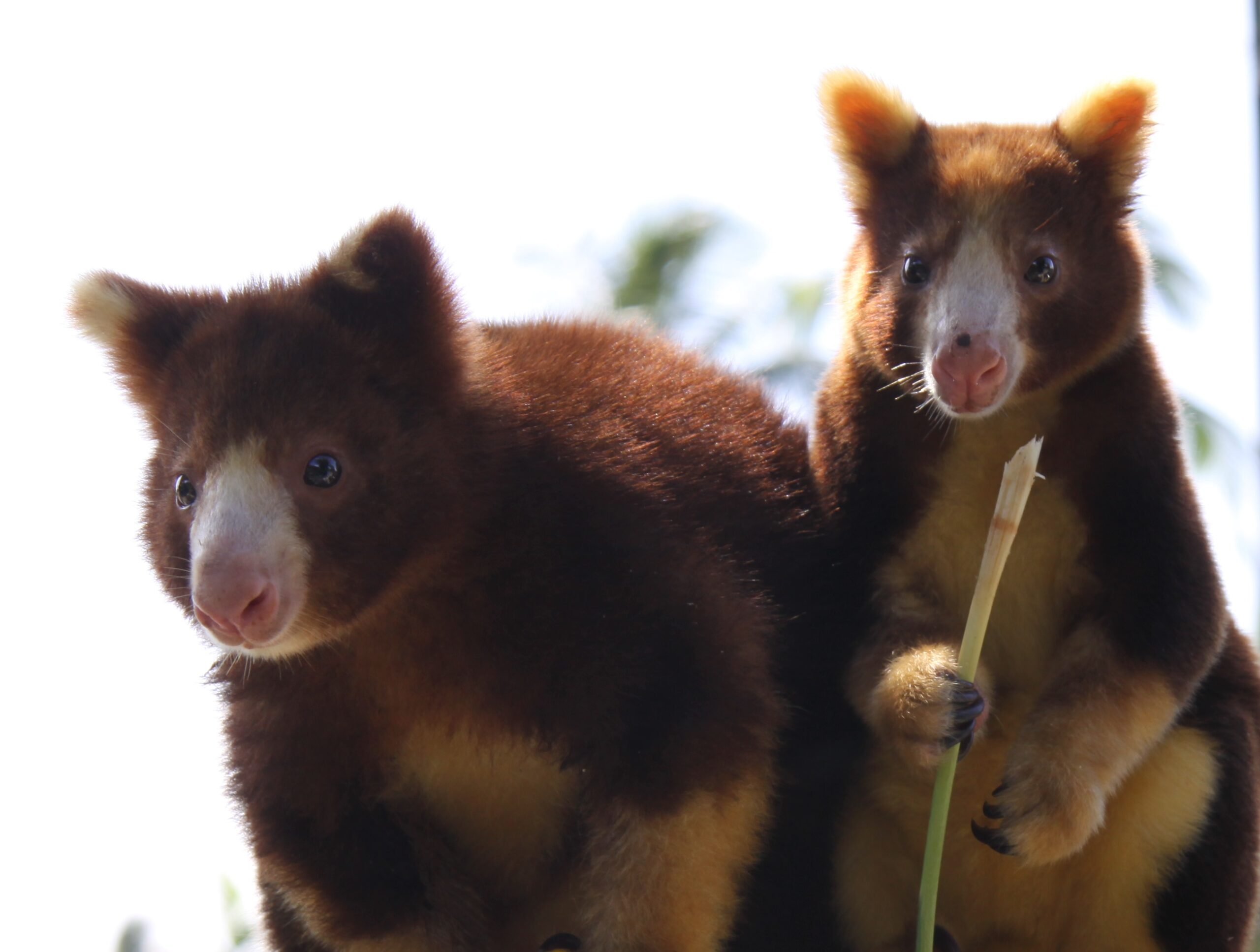
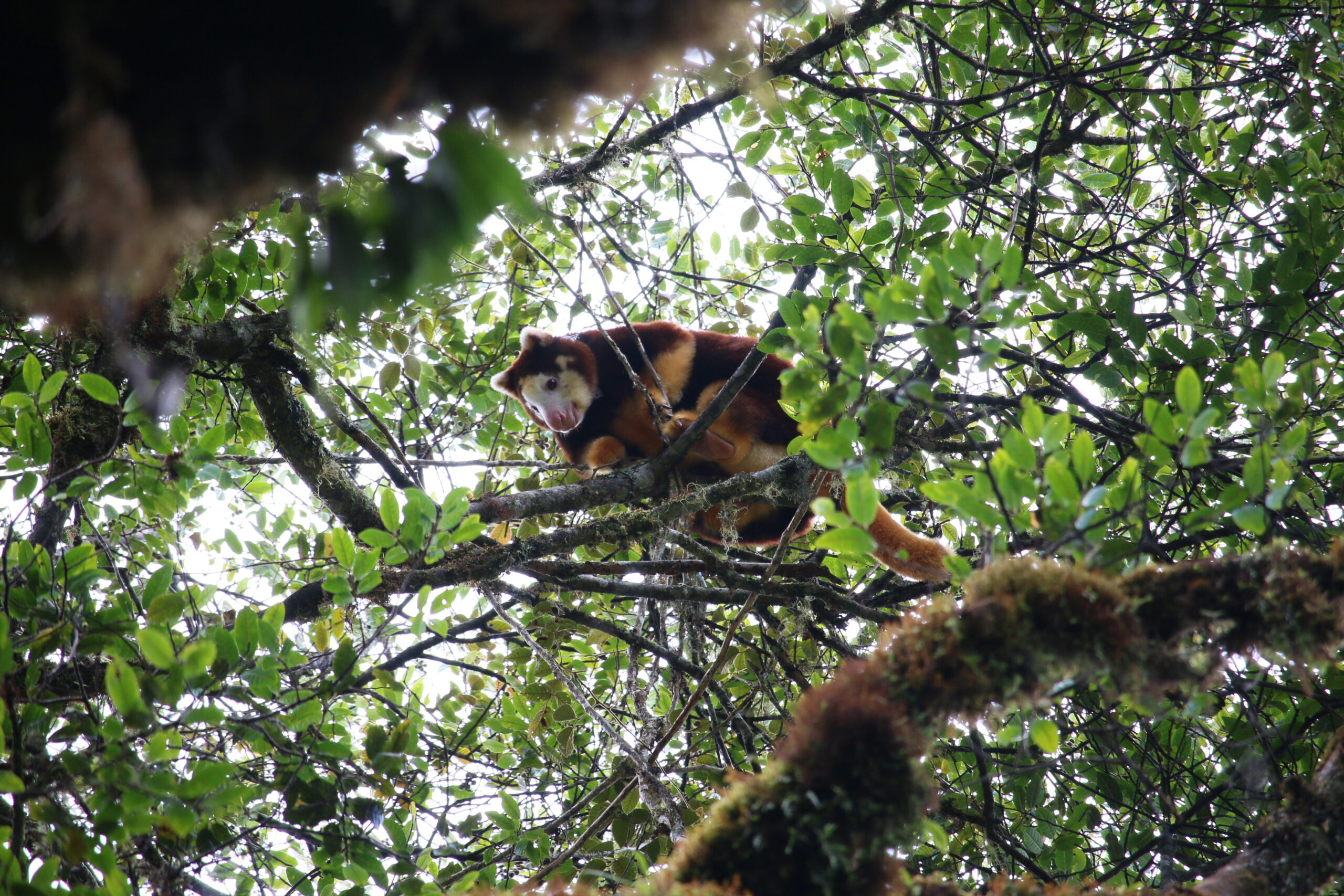
Dabek interviewed locals who hunted the animals for food and fur, and they reported that the populations seemed to be declining, with the animals found much less frequently and further from villages than in the past. “Pretty immediately [the research] became about: how can the local communities create a sustainable resource?” she said. Together, they began to explore the idea of setting some land aside as a ‘wildlife bank’ where the animals could breed safely, and then the young could disperse to other areas.
For elders in the community, the idea resonated. “They said to me, ‘Lisa, this is not a new concept,’” she said. Before missionaries came to the area, there were sacred ‘tambu’ places where people weren’t allowed to go. “But when they were missionized, they were told to give up those practices,” said Dabek. “That’s when I think the over-hunting really started.”
Ten years and many discussions later, the peninsula’s communities created PNG’s first conservation area — called YUS after the Yopno, Uruwa and Som rivers that flow through it. They designated some areas as no-hunting zones, and ruled out large-scale extractive activities like industrial logging and mining. Meanwhile, the Tree Kangaroo Conservation Program (TKCP), which supports YUS, attracts funding that provides local communities with social benefits including health services and livelihood options.
“People see that it’s because of the tree kangaroos that there are people who are interested in helping them,” said Modi Pontio, TKCP’s executive director. “So they’re much less motivated to hunt them than in the past.” That’s making an impact on the population, with hunters seeing tree kangaroos closer to villages, and ecological monitoring also suggesting rebounding numbers.
When hunger shapes conservation
Several hundred kilometres to the southwest, the communities of the Managalas Conservation Area (MCA) are yet to decide how to tend to their own tree kangaroo populations. The area is home to at least two species — the Doria’s tree kangaroo (Dendrolagus dorianus), which is classified as Vulnerable on the International Union for the Conservation of Nature (IUCN) Red List, and the Goodfellow’s tree kangaroo (Dendrolagus goodfellowi), classified as Endangered.
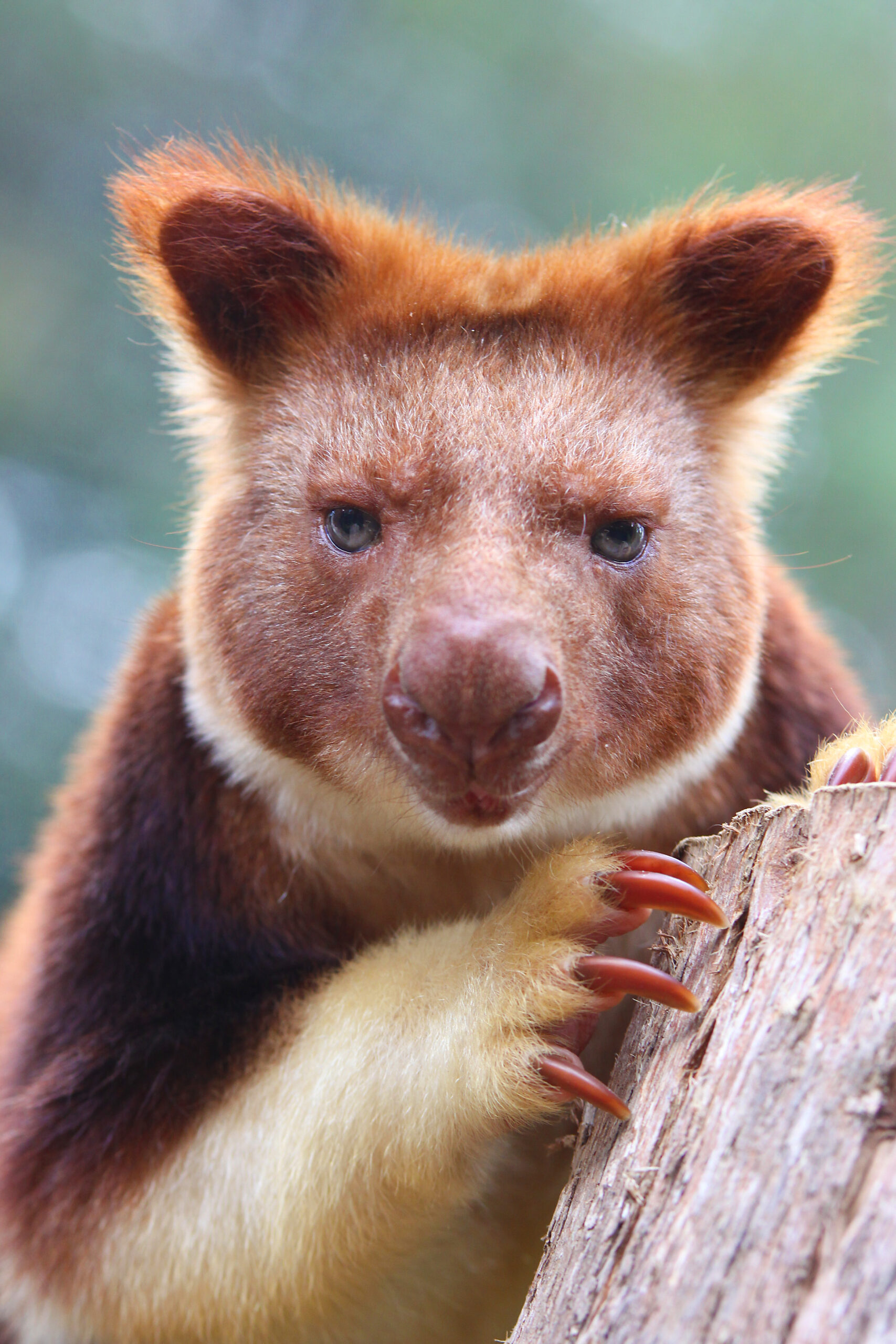
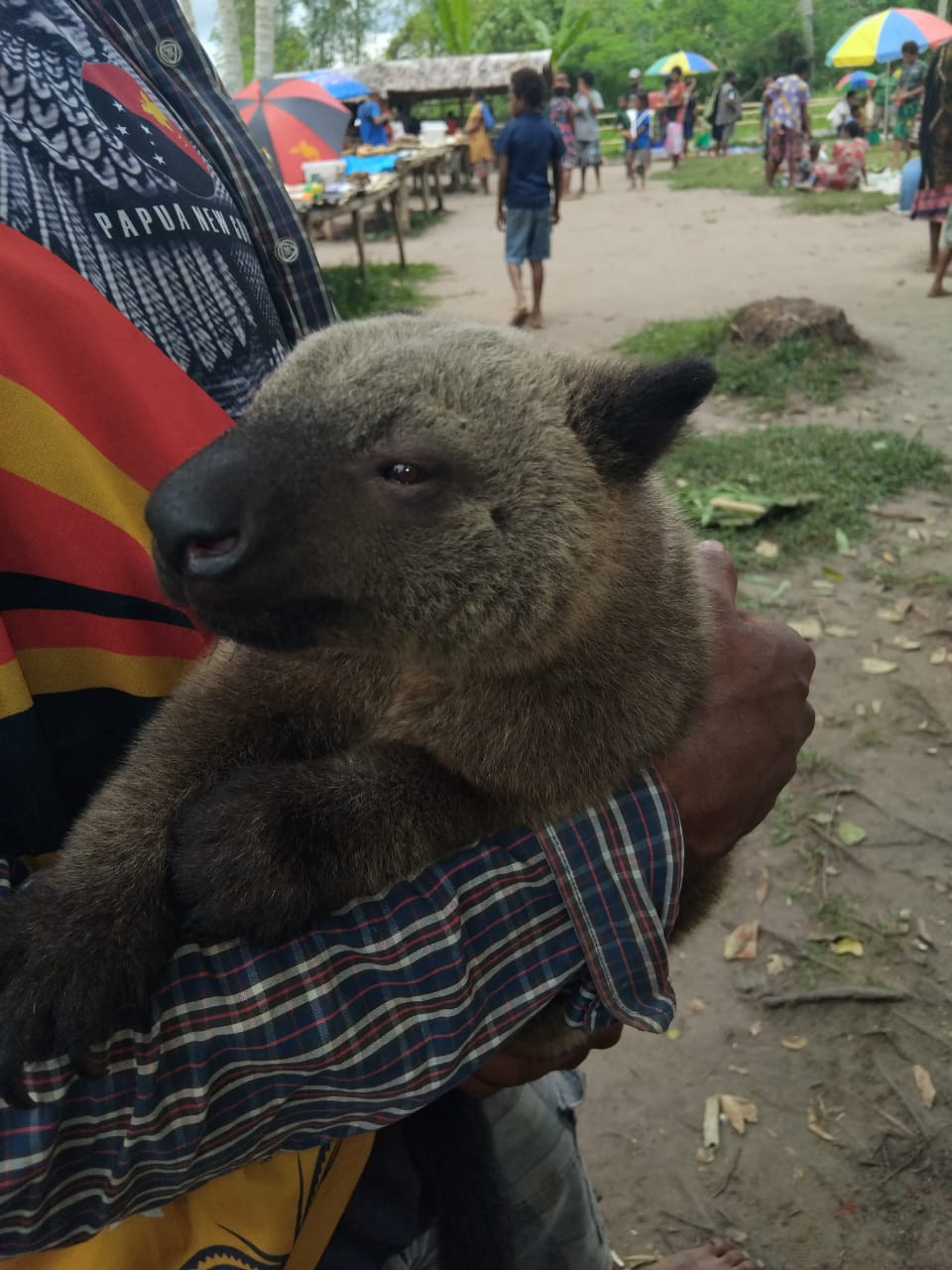
It’s tricky to spot them in the wild, especially as mammal populations around most of MCA’s villages are relatively small due to hunting pressure. However, the Doria’s has been captured on MCA’s new camera traps. “We often see them in villages and markets after they have been hunted,” says Will Unsworth, PNG program manager for Landscape Alliance, which is supporting MCA with funding from the European Union. Meanwhile, he says, “we have heard stories, but not yet gathered evidence that the Goodfellow’s tree kangaroo was more widespread and is now quite limited.”
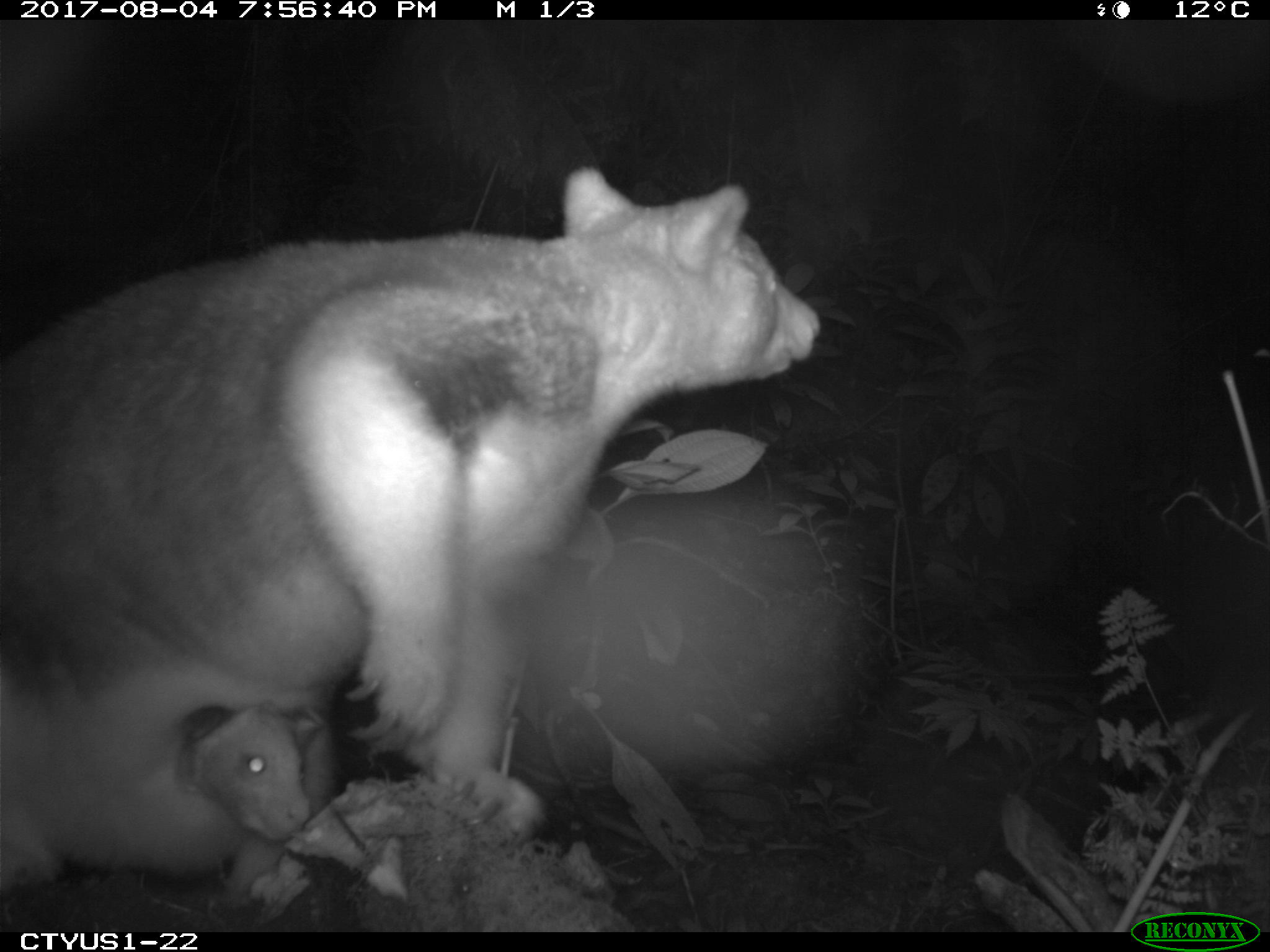
Across the Managalas Plateau, a number of tambu places, where no one hunts or enters for any other purpose, remain. But hunting pressure elsewhere is strong, given the growing — and largely protein-deficient — population. That’s why conservation efforts now involve providing new protein sources and livelihoods through chicken, pig and fish farms. As Pontio pointed out: “If they’re going to stop eating tree kangaroos because they see the value in maintaining them, then we also need to try to provide alternatives.”